This PCB conformal coating selection guide covers the four foundational chemistries recognized by IPC-CC-830C — Acrylic (AR), Polyurethane (UR), Silicone (SR), and Epoxy (ER) — with their key properties, application methods, IPC qualification standards, and industry-specific recommendations. All technical data is sourced from manufacturer data sheets and IPC standards.

1. The 4 Core Conformal Coating Types: IPC-CC-830C Classification
IPC-CC-830C is the globally accepted qualification standard for conformal coatings on printed wiring assemblies. It classifies coatings by their cured polymer chemistry — which is precisely what determines a coating’s protection profile, processing requirements, and reworkability. This makes IPC-CC-830C type codes (AR, UR, SR, ER…) the most useful starting framework for material selection: each code maps directly to a distinct set of performance trade-offs, and IPC-CC-830C qualification is the baseline document that procurement and quality teams reference in most professional specifications.
IPC-CC-830C currently recognizes 8 coating families. This guide focuses on 4 — here is why:
| Code | Chemistry | Why in / out of scope |
|---|---|---|
| AR | Acrylic | ✓ In scope — the most widely used, lowest-cost, most reworkable chemistry |
| UR | Urethane / Polyurethane | ✓ In scope — dominant in industrial and automotive applications |
| SR | Silicone | ✓ In scope — the only chemistry rated to +200°C; essential for high-temperature applications |
| ER | Epoxy | ✓ In scope — maximum protection against chemicals and abrasion; used when repairability is not required |
| UV | UV-cure | UV is a cure mechanism, not a distinct polymer chemistry. UV-cure coatings are typically acrylic- or urethane-based resins — covered under AR and UR. See Section 4.5 for application notes. |
| XY | Parylene | Applied exclusively by Chemical Vapor Deposition (CVD) in a dedicated vacuum chamber — not compatible with standard liquid coating equipment. Requires a completely separate process and capital investment. Out of scope for typical production environments. |
| UT | Ultra-Thin | A thickness category (≤12.5 µm), not a distinct chemistry. Added in Rev C (2018). UT coatings use AR, SR, or other base chemistries applied at nano-scale thickness — a niche specification for ultra-compact or weight-sensitive designs. |
| SC | Styrenic Copolymer | Added in Rev C (2018). Offers higher flexibility and slightly higher operating temperature than standard AR/UR. Limited commercial availability; niche adoption. Not yet widely stocked or specified in standard industrial programs. |
Source: IPC-CC-830C (Rev C, 2018); HumiSeal IPC-CC-830B Qualification Guide (Chase Corporation)

The 4 in-scope chemistries — AR, UR, SR, ER — cover the decision space for the overwhelming majority of PCB conformal coating programs. Understanding their differences is the foundation of any sound material selection process.
1.1 Acrylic (AR) Conformal Coating
IPC-CC-830C designation: AR | Cure: Solvent evaporation
Acrylic coatings are thermoplastic materials dissolved in carrier solvents. Once applied, the solvent evaporates to leave a flexible, transparent film — the fastest-drying chemistry available.
✓ Strengths
| ✗ Limitations
|
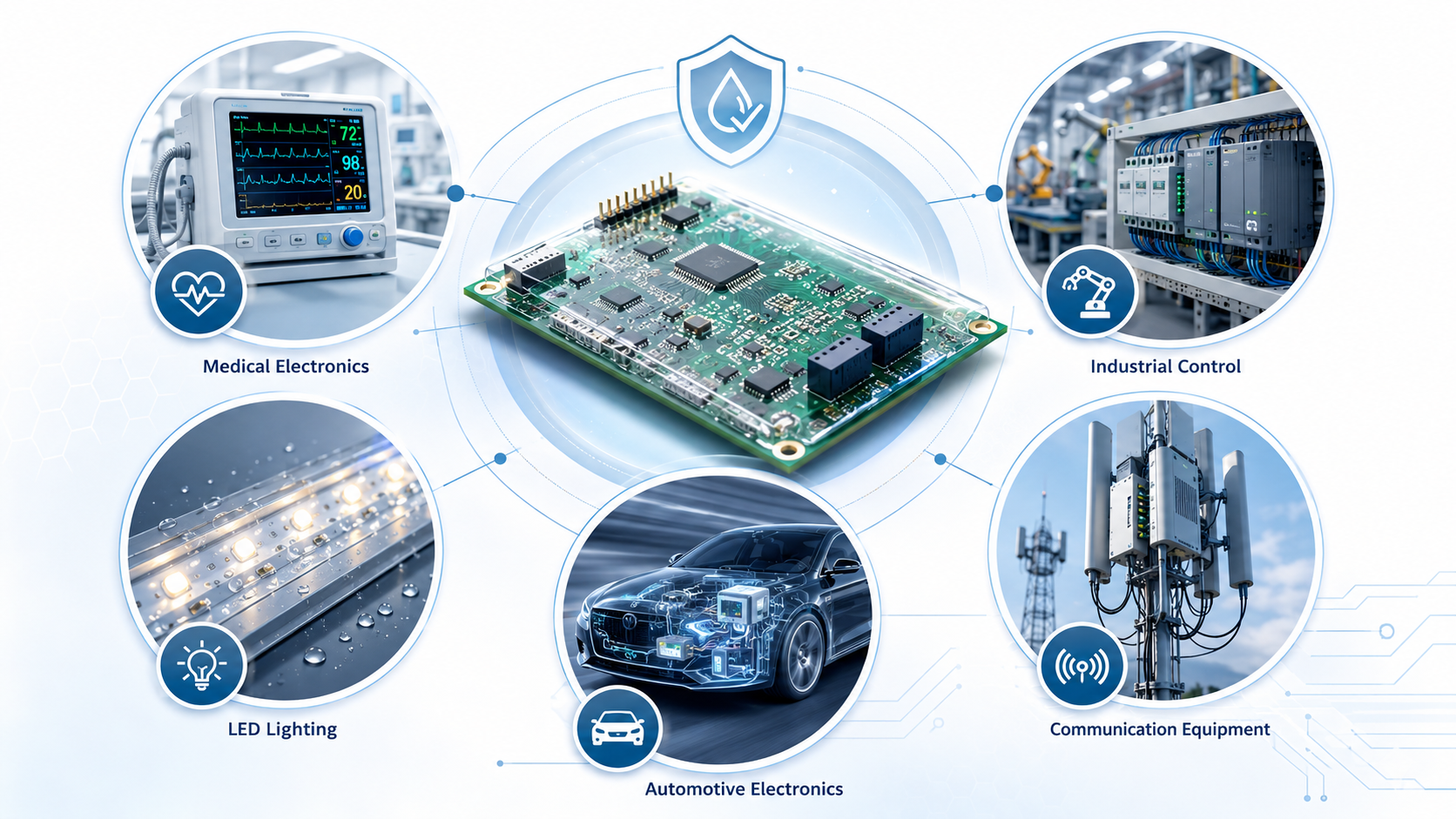
Best for: Consumer electronics, indoor industrial equipment, white goods, telecommunications, any application where repairability is a priority.
Source: Internet
The Complete Guide to Acrylic Adhesives →
1.2 Polyurethane (UR) Conformal Coating
IPC-CC-830C designation: UR | Cure: Moisture (1K) or Chemical reaction (2K)
Polyurethane coatings provide a significant step up in chemical and abrasion resistance over acrylics, while remaining more reworkable than epoxies. Modern isocyanate-free formulations — including the HumiSeal 1A series — eliminate handling hazards and are safe for standard production environments.
✓ Strengths
| ✗ Limitations
|
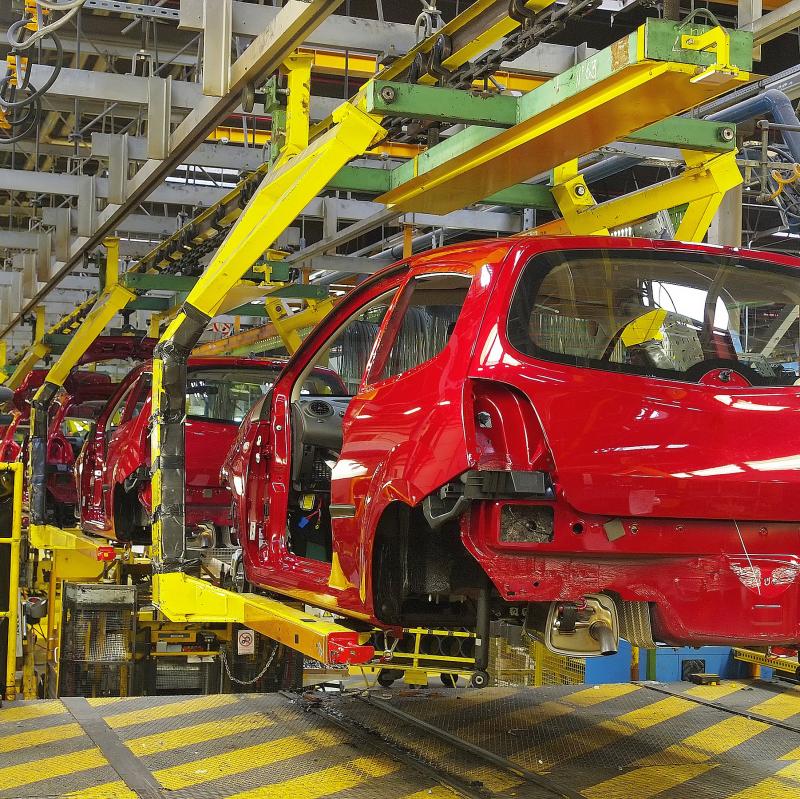
Best for: Automotive electronics, industrial controls, power supplies, marine electronics, applications requiring chemical splash resistance.
Source: Internet
Epoxy, Silicone, or Polyurethane — Optimal Materials for EV Sensors Encapsulation →
1.3 Silicone (SR) Conformal Coating
IPC-CC-830C designation: SR | Cure: Moisture (RTV) / Heat / UV-hybrid
Silicone coatings are built on a Si–O polymer backbone — the source of their unmatched thermal stability and extreme flexibility across the widest temperature range of any conformal coating chemistry.
✓ Strengths
| ✗ Limitations
|
Best for: Aerospace, defense, LED driver boards, EV power converters, engine control units, any high-temperature or wide thermal cycling application.

Source: Internet
Silicone Adhesives – Complete Guide to Properties, Applications and Trends →
1.4 Epoxy (ER) Conformal Coating
IPC-CC-830C designation: ER | Cure: Two-component chemical crosslinking
Epoxy coatings deliver the highest protection level of the four core chemistries. The dense, highly cross-linked polymer network resists chemicals that defeat acrylic and polyurethane — at the trade-off of being effectively non-reworkable.
✓ Strengths
| ✗ Limitations
|
Best for: Military electronics, chemical processing equipment, offshore/subsea electronics, harsh industrial environments where long-term protection outweighs repairability.
Source: Internet
Epoxy Adhesive and Industrial Epoxy Adhesive – Complete Knowledge Guide →
2. Side-by-Side Comparison: Key Properties at a Glance
| Property | Acrylic (AR) | Polyurethane (UR) | Silicone (SR) | Epoxy (ER) |
|---|---|---|---|---|
| IPC-CC-830C Code | AR | UR | SR | ER |
| Cure Mechanism | Solvent evaporation | Moisture / Heat | Moisture / Heat / UV | 2-part chemical |
| Moisture Resistance | Good | Excellent | Excellent | Excellent |
| Chemical Resistance | Poor | Good | Moderate | Excellent |
| Sustained Operating Temp. | up to +125°C | up to +125°C | up to +200°C+ | up to +150°C |
| Abrasion Resistance | Moderate | Excellent | Low | Excellent |
| Reworkability | Easiest | Difficult | Moderate | Very Difficult |
| Thickness (IPC-A-610) | 25–75 µm | 25–75 µm | 50–200 µm | 25–75 µm |
| Relative Cost | Lowest | Medium | Higher | Medium–High |
| Best For | General-purpose, repairable assemblies | Industrial, automotive, chemical resistance | High-temp, wide thermal cycling | Max protection, no rework needed |
Sources: IPC-CC-830C Standard; HumiSeal Technical Data Sheets (Chase Corporation); MG Chemicals Conformal Coating Guidelines. Thickness values per IPC-CC-830C test vehicle requirements.
3. Critical Properties to Evaluate Your PCB Conformal Coating
3.1 Moisture & Humidity Resistance
Moisture is the primary driver of conformal coating field failures. Water vapor diffuses through the film, condenses on metal surfaces, and enables ionic migration — leading to corrosion, leakage current, and dendrite growth (electrochemical migration).
Key test per IPC-CC-830C — Moisture and Insulation Resistance (MIR): coated IPC-B-25A test board at 85°C / 85% RH for 168 hours → minimum 10⁹ Ω required to pass.

Selection rule:
- Tropical climates / outdoor enclosures: specify Polyurethane, Silicone, or Epoxy. Acrylic is acceptable for controlled indoor environments only.
- Marine / offshore applications: IPC-CC-830C’s humidity test (85°C / 85% RH) does not cover the salt spray environment. Marine programs additionally require qualification per IEC 60068-2-11 (salt mist, steady-state, 5% NaCl) or IEC 60068-2-52 (cyclic salt mist) — with bias voltage applied during testing to model real operating conditions. IPC-CC-830C qualification alone is insufficient for marine deployment.
Important Properties When Choosing Conformal Coating Materials →
3.2 Operating Temperature Range
An important clarification: the IPC-CC-830C thermal shock test (50 cycles, −65°C to +125°C, on flat test boards) is a baseline qualification requirement — virtually all IPC-qualified coatings pass it, and it does not differentiate between AR, UR, SR, and ER. Real-world performance on populated assemblies under extreme or prolonged thermal cycling is a separate matter entirely and must be validated independently.
The properties that actually determine thermal suitability in your application are:
| Property | Acrylic (AR) | Polyurethane (UR) HumiSeal 1A33 ref. | Silicone (SR) | Epoxy (ER) |
|---|---|---|---|---|
| Sustained Max. Operating Temp. | +125°C | +125°C | +200°C+ | +150°C |
| Glass Transition Temp. (Tg) | Varies by grade | ~26°C (DSC) — note: near ambient | Very low — remains flexible throughout range | High |
| CTE / Modulus behavior under cycling | Moderate | CTE 193 ppm/°C; stiffer near Tg | High CTE but extremely low modulus — absorbs stress rather than transmitting it to components | High CTE + high modulus — cracking risk under aggressive cycling |
| IPC-CC-830C Thermal Shock (baseline) | All 4 chemistries pass: 50 cycles, −65°C to +125°C on flat test board. This test does not differentiate between chemistries — it is a minimum qualification threshold only. | |||
Reference: HumiSeal 1A33 TDS; IPC-CC-830C thermal shock protocol; Taylor & Kinner, “IPC-CC-830B Versus the Real World” (IPC APEX)
Practical implication: If your application involves sustained high temperatures (>125°C), wide thermal excursions on populated assemblies, or extreme cycle counts, silicone (SR) is the primary candidate — not because it passes a different IPC test, but because its inherently low elastic modulus prevents stress from being transferred to component leads and solder joints during real-world cycling.
3.3 Chemical Resistance
| Chemical Agent | Acrylic | Polyurethane | Silicone | Epoxy |
|---|---|---|---|---|
| Humidity / Water vapor | ✓ | ✓✓ | ✓✓ | ✓✓ |
| Salt spray (marine / outdoor) | ✓ | ✓✓ | ✓✓ | ✓✓ |
| Fuels & petroleum oils | ✗ | ✓ | ✗ | ✓✓ |
| Solvents (ketones, alcohols) | ✗ (dissolves) | Moderate | Moderate | ✓✓ |
| Acids & alkalis (industrial) | ✗ | Moderate | Moderate | ✓✓ |
| Corrosive gases (H₂S, Cl₂) | ✗ | ✓ | ✓ | ✓✓ |
✓✓ = Excellent | ✓ = Good / Acceptable | ✗ = Not recommended. Always validate against specific chemical, concentration, and exposure duration using manufacturer TDS.
3.4 Dielectric Strength & Electrical Insulation
For high-voltage PCBs, high-frequency designs, or densely packed boards with narrow conductor spacing, the coating’s electrical properties directly affect safety and signal integrity. Always verify values at the intended film thickness from the specific product TDS.
| Electrical Property | HumiSeal 1A33 (UR) — Reference Values | Test Method |
|---|---|---|
| Dielectric Withstand Voltage | >1,500 V | MIL-I-46058C |
| Dielectric Breakdown Voltage | 7,500 V | ASTM D149 |
| Dielectric Constant @ 1 MHz, 25°C | 3.6 | ASTM D150-98 |
| Insulation Resistance (dry) | 2.0 × 10¹⁴ Ω | MIL-I-46058C |
| Moisture Insulation Resistance | 1.6 × 10¹⁰ Ω | MIL-I-46058C |
Source: HumiSeal 1A33 Technical Data Sheet (Chase Corporation).
3.5 Reworkability & Repairability
| # | Chemistry | Removal Method | Difficulty |
|---|---|---|---|
| 1 | Acrylic (AR) | Ketone/ester solvents (acetone, MEK); can solder through without removal | Easiest |
| 2 | Silicone (SR) | Swelling solvents; some grades peel; localized burn-through possible | Moderate |
| 3 | Polyurethane (UR) | Prolonged soak in strong stripper + ultrasonic or brush agitation | Difficult |
| 4 | Epoxy (ER) | Mechanical scraping or localized thermal removal; high board-damage risk | Very Difficult |
3.6 Coating Thickness per IPC-CC-830C
Exceeding the maximum recommended thickness does not improve protection — it increases cracking risk, adds stress to component leads, and can prevent full cure through the film depth.
| Chemistry | IPC-CC-830C Test Vehicle Range | IPC-A-610 Acceptance (production) |
|---|---|---|
| Acrylic (AR) | 25–75 µm | 30–130 µm |
| Polyurethane (UR) | 25–75 µm | 30–130 µm |
| Silicone (SR) | 50–200 µm | 50–210 µm |
| Epoxy (ER) | 25–75 µm | 30–130 µm |
Sources: IPC-CC-830C (test vehicle thickness requirements, Table 4-II); IPC-A-610 (production acceptance). Note: IPC-CC-830C qualification testing is conducted within the narrower test vehicle range; IPC-A-610 provides the broader production acceptance window.
4. Application Methods and Material Compatibility

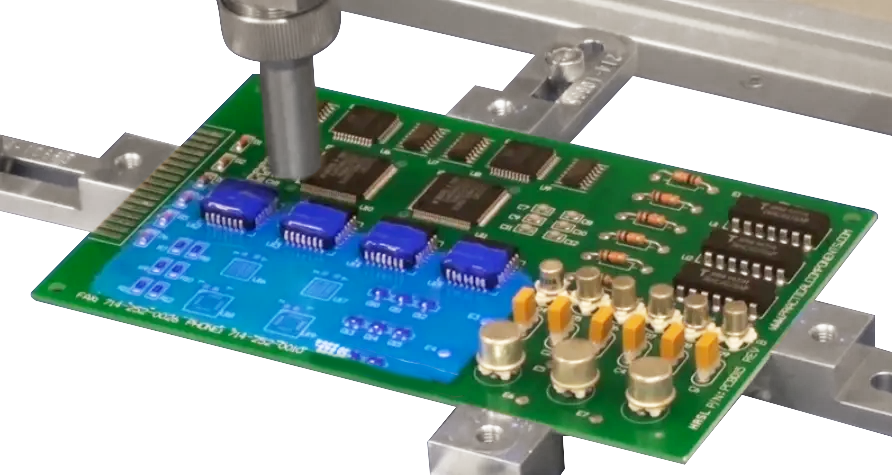
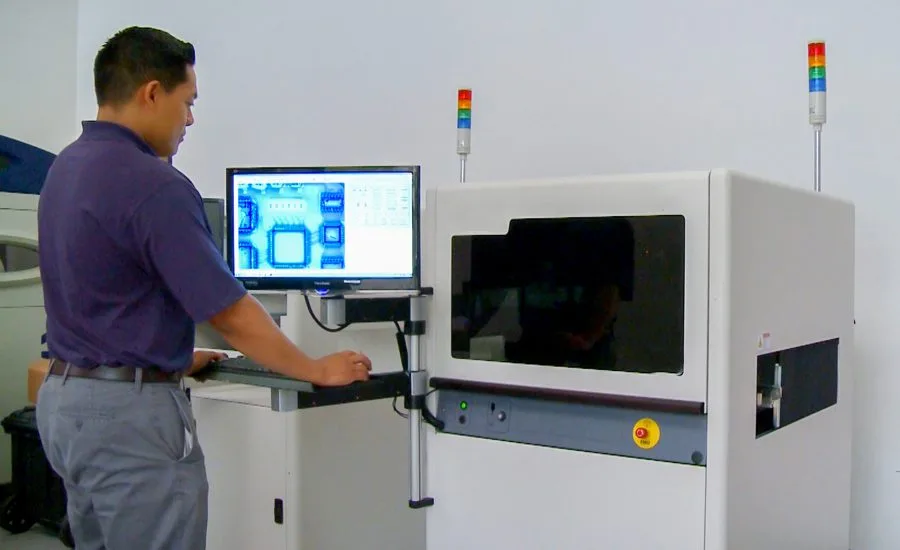
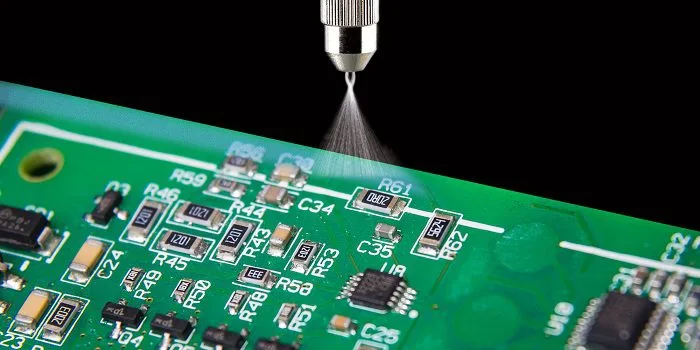
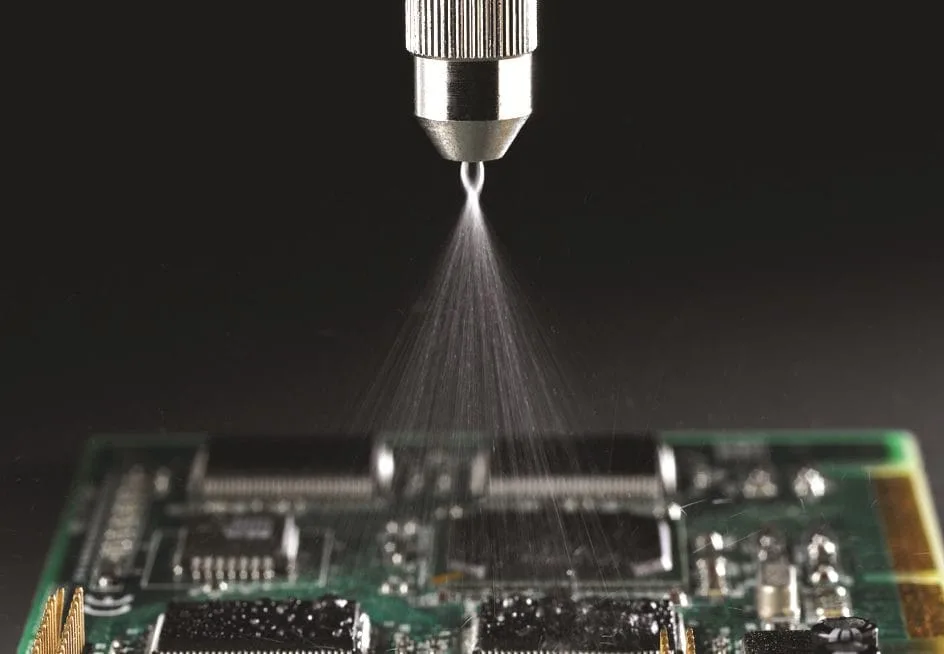
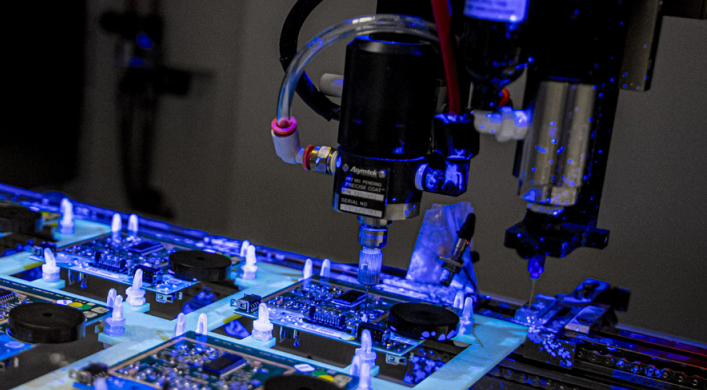
The choice of application method and coating chemistry are interdependent. Viscosity, cure mechanism, and masking requirements vary significantly across methods. Common Methods to Apply Conformal Coating The Conformal Coating Process
| Method | AR | UR | SR | ER | UV-Cure | Best For | |
|---|---|---|---|---|---|---|---|
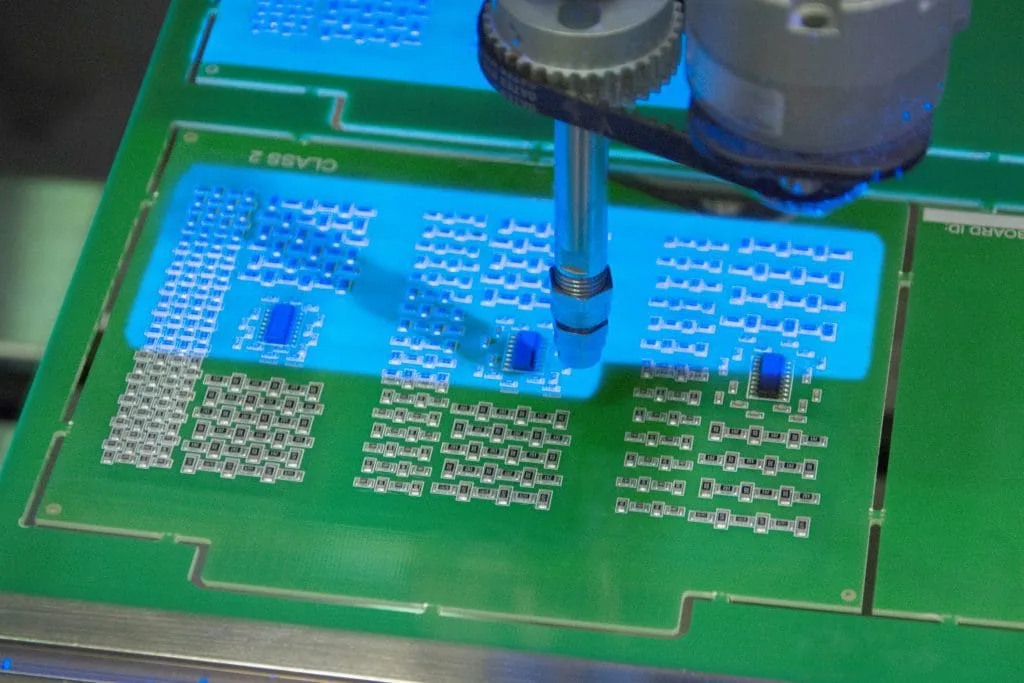 | Selective Spray (Robotic) | ✓✓ | ✓✓ | ✓✓ | ✗ | ✓✓ | High-volume; minimal masking; precise area control |
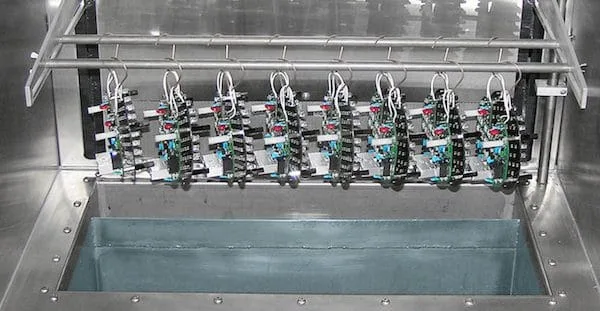 | Dip Coating | ✓✓ | ✓✓ | ✓✓ | ✗ | ✗ | Double-sided boards; complex geometries; high volume |
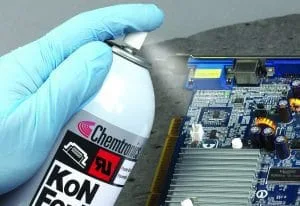 | Manual / Aerosol Spray | ✓ | ✓ | ✓ | ✗ | ✓ | Low volume; prototyping; requires full masking |
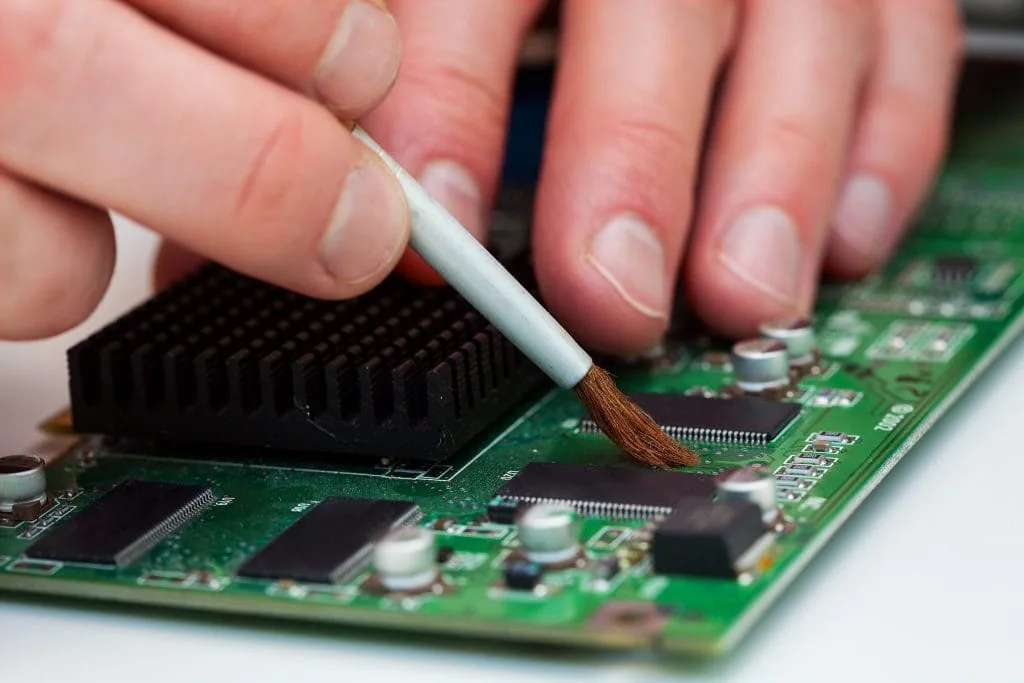 | Brush Application | ✓✓ | ✓ | ✗ | ✗ | ✗ | Rework and spot touch-up only |
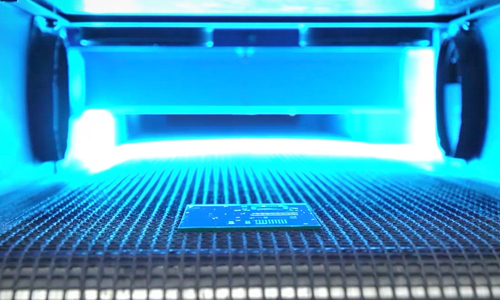 | UV / Light-Cure System | ✗ | ✗ | Hybrid | ✗ | ✓✓ | Inline high-speed; solvent-free; instant tack-free cure |
✓✓ = Fully compatible | ✓ = Compatible with constraints | ✗ = Not recommended

UV / Light-Cure note: UV-cure formulations offer instant tack-free cure in seconds — eliminating oven queuing and increasing throughput. For boards with deep shadow areas (BGAs, tall connectors), specify a multi-cure (UV primary + secondary heat or moisture cure) to ensure full protection under unirradiated zones. Advantages of Light-Cure Conformal Coatings
5. IPC-CC-830C Standard: What Engineers Need to Know To Optimize PCB Conformal Coating Process
IPC-CC-830C is the globally accepted qualification standard for liquid conformal coatings on printed wiring assemblies, published by IPC (Association Connecting Electronics Industries). For automotive, aerospace, medical, or defense programs, specifying an IPC-CC-830C qualified coating is typically a baseline requirement.
5.1 Qualification Test Battery
Tests are performed on standardized IPC-B-25A comb-pattern test boards. These tests establish a minimum performance baseline — a coating that passes all tests is qualified; it does not mean all qualified coatings perform identically in real-world conditions.
| Test | Conditions | Pass Requirement |
|---|---|---|
| Visual Inspection | — | Free from foreign matter; uniformly applied |
| UV Fluorescence | UV lamp inspection | Coating must fluoresce uniformly |
| Insulation Resistance | Dry conditions | ≥ 10⁹ Ω |
| Moisture & Insulation Resistance | 85°C / 85% RH / 168 h | ≥ 10⁹ Ω after exposure |
| Thermal Shock (baseline only — all qualified coatings pass) | 50 cycles, −65°C to +125°C, flat board | No cracking, delamination, or discoloration |
| Fungus Resistance | 28-day exposure | No fungal growth supported |
| Flexibility | Conical mandrel bend | No cracking |
| Flammability | UL94 V-0 method | Self-extinguishing |
| Hydrolytic Stability | Immersion test | Maintain electrical properties after immersion |
Source: IPC-CC-830C Standard. Note: IPC-CC-830C does not include a salt spray test — applications requiring salt spray resistance must specify and validate against IEC 60068-2-11 or IEC 60068-2-52 separately.

Popular Conformal Coating Manufacturers & Recommended Part Numbers →
5.2 IPC-CC-830C vs. MIL-I-46058C
| Criteria | IPC-CC-830C | MIL-I-46058C |
|---|---|---|
| Status | Active (current standard) | Inactive since 1998 |
| Applies to | Commercial, industrial, automotive, defense | Military / defense programs |
| Cross-recognition | IPC-CC-830 pass → effectively meets MIL-I-46058C requirements | MIL qualified ≠ retroactively IPC compliant |
| Dual-use note | HumiSeal 1A33 carries both MIL-I-46058C and IPC-CC-830B qualification | |
5.3 IPC-A-610: Workmanship Acceptance
While IPC-CC-830C qualifies the material, IPC-A-610 defines workmanship acceptance on the production PCB: acceptable and unacceptable coating coverage, maximum bubble and void criteria, UV inspection requirements, and thickness measurement. Both standards must be applied together for a complete quality system.
6. Selecting the Right PCB Conformal Coating by Industry Application
Conformal Coating Solution — Full Overview →
| Industry / Application | Primary Environmental Challenge | Recommended Chemistry | Rework Priority | Standards / Additional Tests |
|---|---|---|---|---|
| Consumer Electronics | Humidity, dust, mild splash | Acrylic (AR) | High | IPC-CC-830C |
| Automotive (cabin) | Humidity, vibration, thermal cycling | Polyurethane (UR) | Medium | IPC-CC-830C, AEC-Q100 |
| Automotive (underhood / EV power) | Fuels, oils, wide temp. range, thermal cycling on populated boards | Polyurethane (UR) or Silicone (SR) | Low–Med | IPC-CC-830C, ISO 26262; real-assembly thermal cycle validation required |
| Aerospace / Defense | Extreme thermal cycling, altitude, vibration | Silicone (SR) or Polyurethane (UR) | Low | IPC-CC-830C, MIL-I-46058C |
| Industrial / Factory Automation | Chemical splash, abrasion, dust | Polyurethane (UR) or Epoxy (ER) | Medium | IPC-CC-830C |
| Marine / Offshore | Salt spray, sustained humidity, corrosive gas | Polyurethane (UR) or Epoxy (ER) | Low | IPC-CC-830C + Salt Spray required: IEC 60068-2-11 (steady-state) or IEC 60068-2-52 (cyclic) — IPC-CC-830C alone does not cover salt spray |
| LED Lighting | High operating temp, thermal cycling | Silicone (SR) — do not coat LED emitter surfaces | Low | IPC-CC-830C |
| Harsh Chemical / Industrial | Concentrated acids, solvents, abrasion | Epoxy (ER) | Low (expect no rework) | IPC-CC-830C |
General reference framework. Always validate the specific coating against your actual operating environment, cleaning process, and regulatory requirements. IPC-CC-830C provides a baseline qualification only — additional testing is required for salt spray, extreme thermal cycling on populated assemblies, and other application-specific stressors.
7. PCB Conformal Coating Products Selection Guide
Prostech is an authorized distributor of HumiSeal (Chase Corporation), Peters, Devcon, and Dymax. All products are available with TDS/MSDS documentation, free samples, and application engineering consultation.
7.1 HumiSeal — Acrylic & Urethane Series
| Product | Type | Key Characteristic | Certification | |
|---|---|---|---|---|
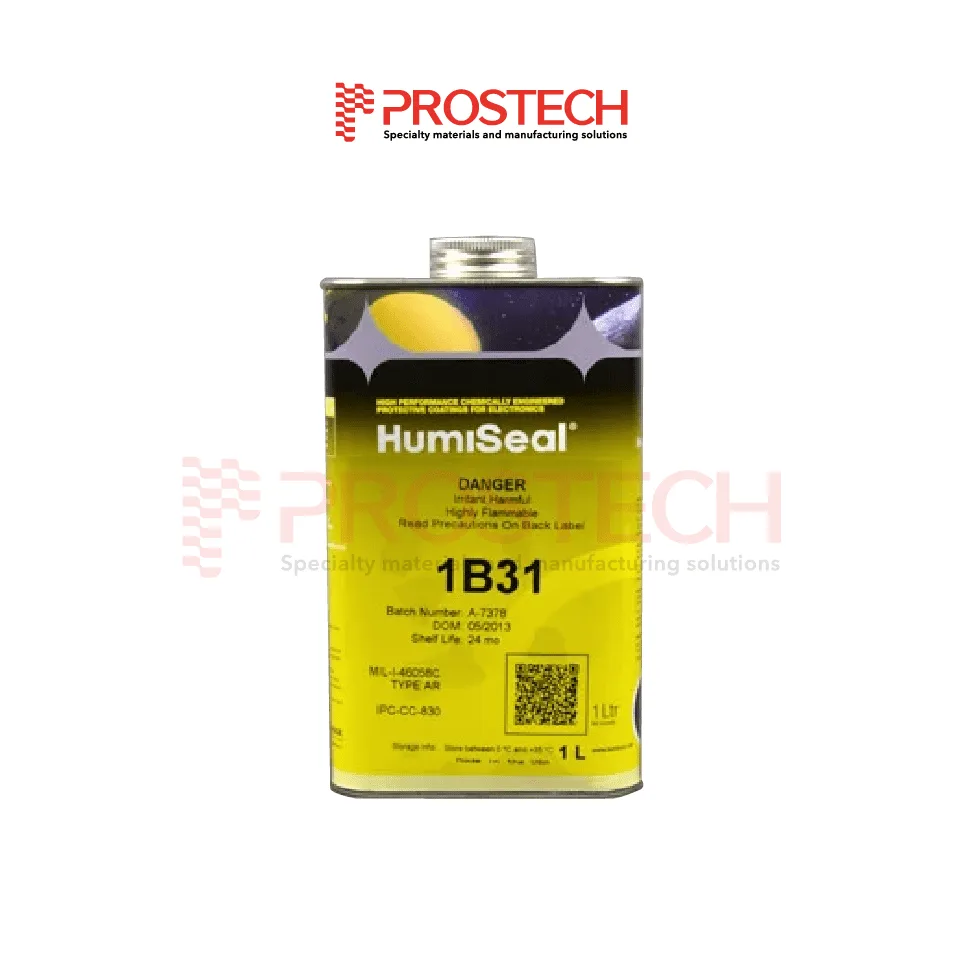 | HumiSeal 1B31 | AR | Industry-standard acrylic; fast-drying; easiest rework; UV fluorescent; no-clean compatible | MIL-I-46058C & IPC-CC-830 |
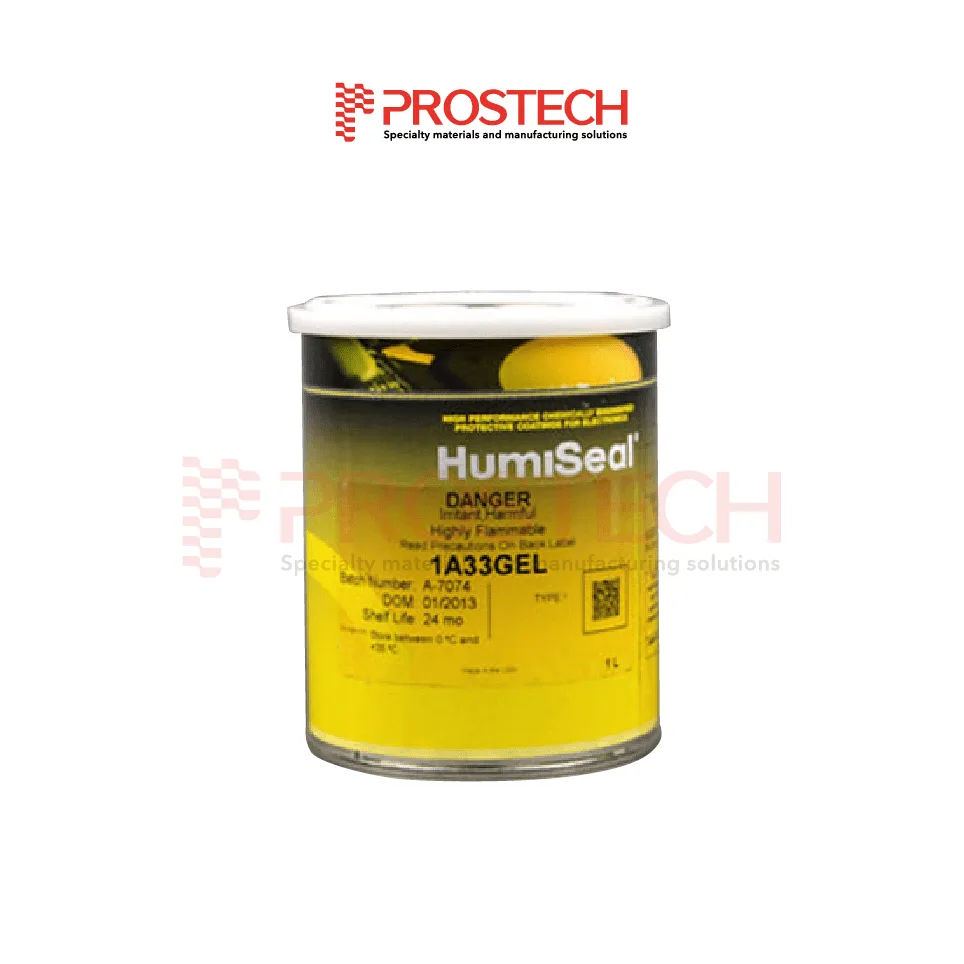 | HumiSeal 1A33 Gel | UR | Thixotropic paste; selective dispensing on vertical surfaces; no sag; same chemistry as 1A33 | RoHS, UL E105698 |
7.2 Peters ELPEGUARD Series
| Product | Type | Key Characteristic | |
|---|---|---|---|
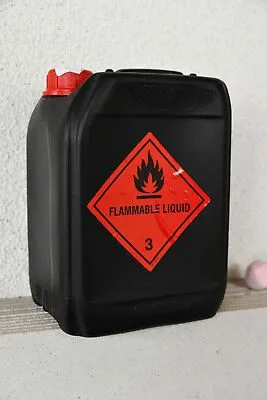 | ELPEGUARD SL 1301 ECO-FLZ | AR | Eco-formulation; physically drying; higher reliability and service life for assembled PCBs |
7.3 Devcon — Epoxy Series
| Product | Type | Key Characteristic | |
|---|---|---|---|
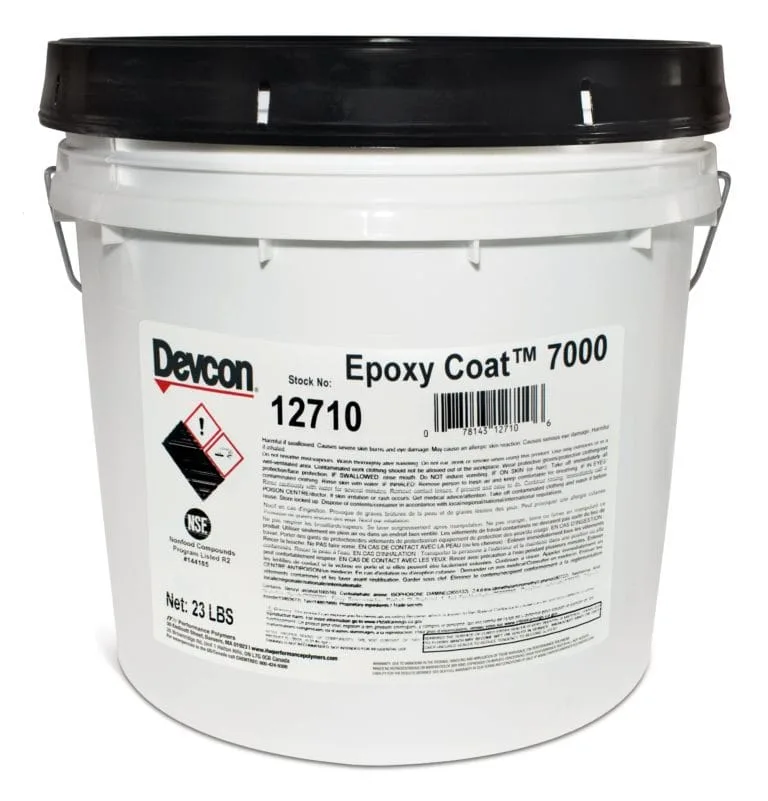 | Devcon Epoxy Coat 7000 Non VOC | ER | Solvent-free; zero-VOC; maximum chemical resistance; environmental compliance |
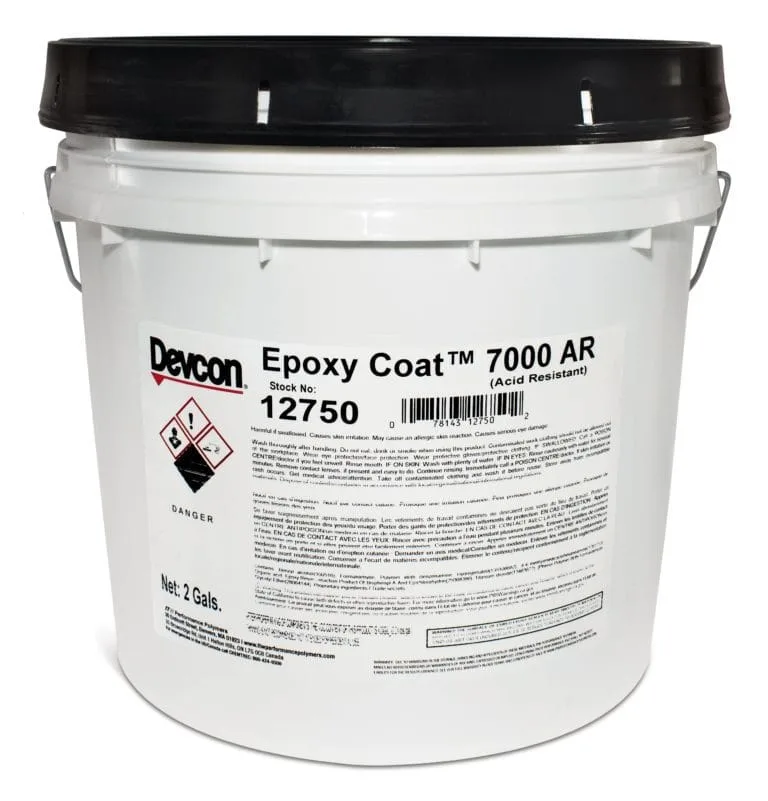 | Devcon Epoxy Coat 7000 AR | ER | Abrasion-resistant epoxy; engineered for demanding physical and chemical environments |
7.4 Dymax — UV / Light-Cure Series
| Product | Cure System | Key Characteristic | |
|---|---|---|---|
 | Dymax Multi-Cure 984-LVUF | UV + Heat | 100% solids; highly fluorescing; LED compatible (365/385/405 nm); instant tack-free cure |
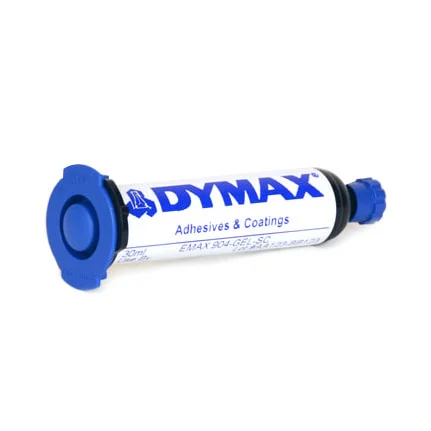 | Dymax 9483 Dual-Cure | UV + Moisture | Solvent-free; secondary moisture cure for shadow areas (BGAs, connectors); automotive-grade |
→ View Full Conformal Coating Product List
8. PCB Conformal Coating Selection Checklist
- Define the operating environment — sustained temperature range, thermal cycling profile on populated assemblies, humidity level, chemical exposure, salt spray exposure (marine/outdoor), mechanical stress
- Define production constraints — volume, application equipment, curing capability, VOC compliance
- Verify compliance requirements — IPC-CC-830C qualification, MIL-I-46058C (military), UL94 V-0, RoHS; for marine/outdoor: IEC 60068-2-11 or IEC 60068-2-52 salt spray testing
- Evaluate reworkability — field or production repair expected? Select the least restrictive chemistry that still meets all performance requirements
- Validate on real assemblies — IPC-CC-830C tests flat boards; request TDS; run application trials; conduct thermal cycling and SIR tests on populated PCBs before committing to production
Contact the Prostech Technical Team for a Free Consultation →
Get Expert Guidance on Conformal Coating Selection
- ✅ Free product samples for evaluation
- ✅ TDS / MSDS documentation
- ✅ Application engineering consultation
- ✅ Supply of IPC-CC-830C qualified materials