

Aluminum is a preferred material in industries such as automotive, aerospace, and electronics due to its lightweight and corrosion-resistant properties. However, its smooth surface and natural oxidation layer can make bonding challenging. Advanced adhesive solutions are specifically formulated to provide exceptional strength and structural integrity for aluminum bonding, allowing manufacturers to maintain lightweight structures without compromising on performance.
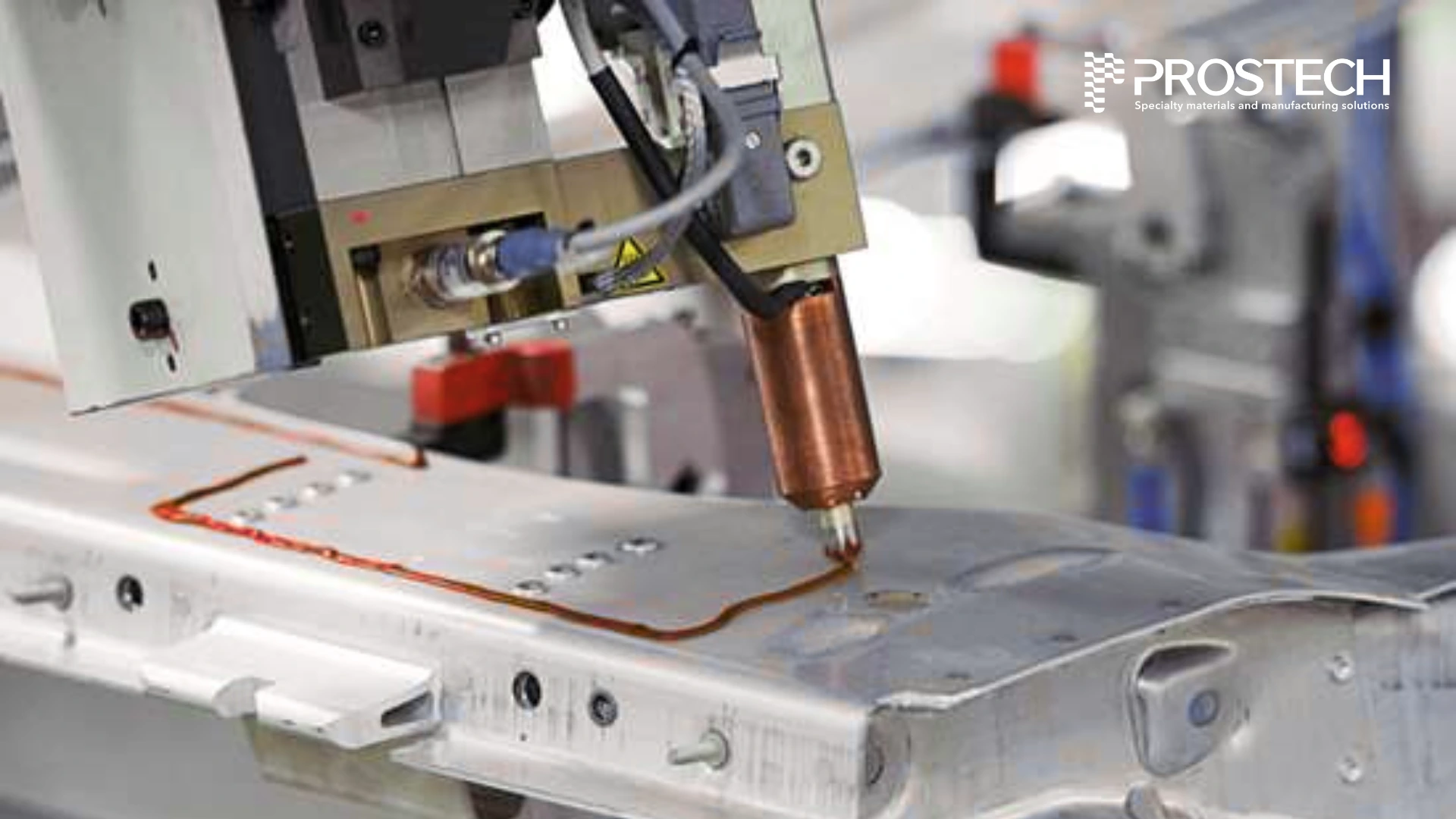
Why Use Adhesives for Aluminum Bonding?
One of the key benefits of using adhesives for aluminum bonding is their ability to prevent corrosion. Adhesives create a protective barrier against moisture, chemicals, and environmental contaminants, effectively preventing oxidation of the aluminum surface. This is particularly beneficial when bonding dissimilar materials, as it reduces the risk of galvanic corrosion that can occur when metals with different electrochemical properties are joined. In environments exposed to moisture or chemical agents, the adhesive layer also acts as a sealant, extending the life of the bonded assembly.
Structural integrity and impact resistance are other significant advantages offered by adhesives. Unlike mechanical fasteners that may concentrate stress at specific points, adhesives distribute stress evenly across the bonded surface, reducing the likelihood of cracks or fractures. Toughened adhesives, such as structural epoxies and acrylics, also absorb impact and vibration, enhancing joint durability in load-bearing applications.
Moreover, adhesives provide design flexibility by enabling the bonding of aluminum to various substrates, including plastics, composites, and other metals. This capability is especially valuable in complex assemblies where traditional fasteners may not be feasible. Adhesives also accommodate differential thermal expansion, allowing dissimilar materials to expand and contract without compromising the bond. This is crucial in applications where temperature fluctuations are common, such as in electronic enclosures or structural panels exposed to outdoor conditions.
From a production standpoint, adhesives also contribute to cost and time efficiency. Fast-curing adhesives, such as cyanoacrylates and UV curables, significantly reduce processing time compared to welding or riveting. Additionally, the use of adhesives eliminates the need for drilling, welding, or surface finishing, reducing tooling costs and simplifying assembly processes. Adhesives also provide a smooth, seamless finish without visible fasteners, improving the overall aesthetic appeal of the product.
Types of Adhesives for Aluminum Bonding
|
Adhesive Type |
Application |
Key Benefits |
|
Threaded components, flange sealing |
Prevents loosening, vibration resistance, effective for softer alloys |
|
|
Rapid bonding of small parts, electronics |
Instant cure, high shear strength, toughened grades for dissimilar materials |
|
|
Structural bonding, chemical resistance |
High shear strength, chemical and solvent resistance, can be heat-cured |
|
|
Structural panels, thin aluminum sheets |
Exceptional peel and shear strength, impact resistance, reduces read-through |
|
|
Automotive parts, dynamic loads |
Rapid curing, impact resistance, excellent stress distribution |
|
|
Transparent parts, shadowed areas |
Fast cure under UV light, optical clarity, suitable for electronics |
Best Practices for Aluminum Bonding with Adhesives
Surface preparation is a critical step in aluminum bonding as it ensures optimal adhesion and prevents premature bond failure. Begin by thoroughly cleaning the surface to remove contaminants such as oils, greases, and dirt using a solvent like isopropyl alcohol or acetone. Next, lightly abrade the aluminum surface using a fine-grit sandpaper or abrasive pad. This process creates a micro-roughened texture, increasing surface area and promoting mechanical interlocking between the adhesive and the substrate. For applications where maximum bond strength is required, consider applying a surface primer specifically formulated for aluminum.

When working with two-component adhesives, precise mixing ratios are crucial to achieving optimal bond strength. Inaccurate ratios can lead to incomplete curing, resulting in weak bonds. Dual-cartridge dispensers are recommended for controlled and consistent mixing of resin and hardener. For larger assemblies or components with complex geometries, automated dispensing systems provide accurate, repeatable application while minimizing waste. Ensure that the adhesive layer is evenly distributed to avoid air pockets that could compromise bond integrity.
To achieve a uniform bond line and prevent air entrapment, apply moderate, consistent pressure using clamps or fixtures. This is especially important for large surfaces or structural components where uniform adhesive distribution is crucial. Avoid over-tightening, as excessive pressure can force adhesive out of the bond line, reducing bond thickness and potentially compromising adhesion. Maintain clamping pressure throughout the entire curing process as specified by the adhesive manufacturer.
Prostech’s Adhesive Solutions for Aluminum Bonding
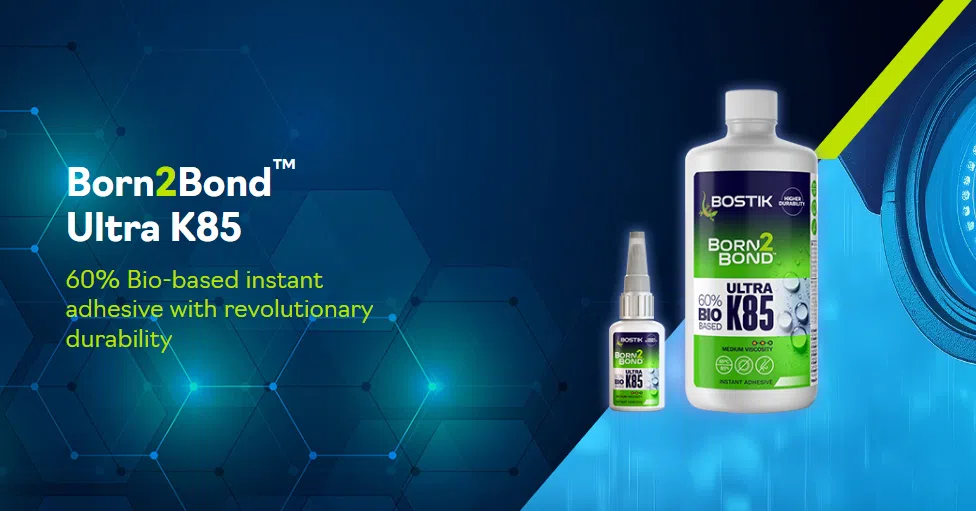
At Prostech, we offer a range of high-performance adhesives designed specifically for aluminum bonding. Our products are engineered to provide superior mechanical strength, chemical resistance, and thermal stability, ensuring optimal performance in demanding industrial applications. Some recommended products are:
|
|
Key Benefits:
|
|
|
Key Benefits:
|
|
|
Key Benefits:
|
|
|
Key Benefits:
|


Our technical experts are ready to assist you in selecting the most suitable adhesive for your specific bonding requirements. Contact us today for a free consultation and discover how our advanced adhesive solutions can elevate your production efficiency.