

Nylon (also known as polyamide) is a widely used engineering plastic known for its strength, abrasion resistance, and lightweight profile. It’s commonly found in automotive parts, electronic housings, sporting goods, and industrial components. However, despite its mechanical advantages, bonding nylon can be a challenge due to its low surface energy and moisture sensitivity. So what adhesives actually work well with nylon—and under what conditions? In this article, we explore the challenges of bonding nylon and recommend the best adhesive technologies for durable, reliable results.

Why Nylon Is Difficult to Bond
Although nylon is a durable, lightweight material used widely across industries like automotive, electronics, and consumer goods, bonding nylon with adhesives is notoriously challenging. This is due to two fundamental properties of the material:
Low Surface Energy – Poor Adhesion
Nylon has inherently low surface energy, which means its surface resists wetting. Adhesives struggle to spread evenly across nylon, resulting in limited surface contact and weak bonding. Without sufficient wetting, even high-strength adhesives cannot form a strong, reliable bond. This is especially problematic in applications that involve vibration, movement, or mechanical stress.
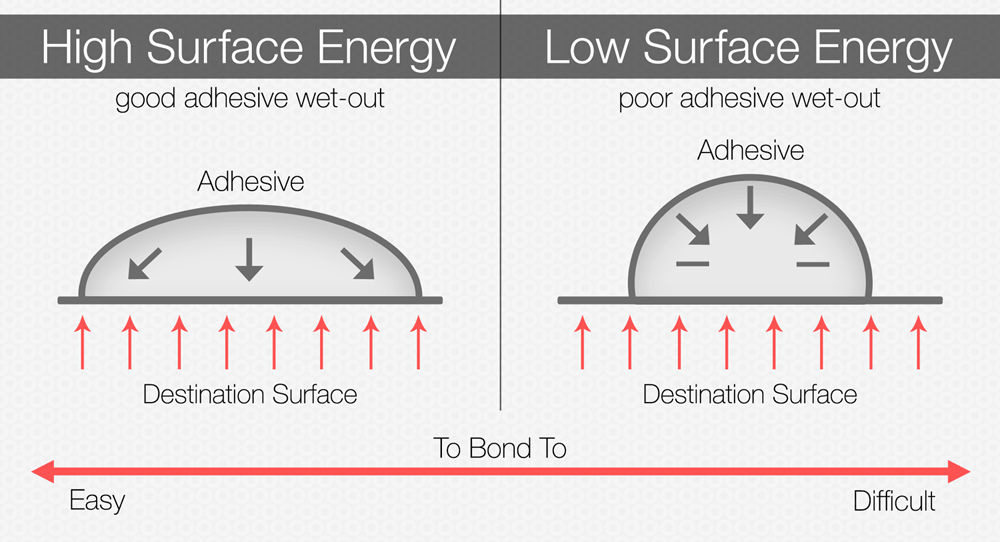
Related article: Low surface energy trend solutions to different surface bonding
High Moisture Absorption – Interference with Curing
Nylon is a hygroscopic material, meaning it naturally absorbs moisture from the surrounding air. This moisture can negatively impact adhesive performance in two key ways:
- Interferes with curing: Many adhesives—such as epoxies or polyurethanes—require a dry bonding surface for proper crosslinking. Moisture can slow down or inhibit curing entirely.
- Weakens bond strength over time: The absorbed moisture can migrate to the adhesive interface, degrading the bond and leading to failure over time, particularly in high-humidity or temperature-cycling environments.
Additionally, certain grades of nylon—such as nylon 6/6, glass-filled nylon, or flame-retardant versions—can further complicate adhesion due to additives or surface contaminants.
To achieve successful bonding, it’s crucial to use an adhesive system specifically designed to handle these properties, sometimes in combination with surface treatment like plasma or primers.
Best Adhesives for Bonding Nylon
When selecting an adhesive for nylon bonding, the right choice depends on the grade of nylon, the surface condition, environmental exposure, and structural requirements of the application. Here are the top adhesive technologies that have been proven effective when bonding nylon:
1. Modified Epoxy Adhesives
Modified epoxy adhesives are a reliable choice when structural strength and chemical resistance are essential. While traditional epoxies may not bond well to nylon due to its low surface energy, modified versions are formulated to improve wetting and compatibility. These adhesives are ideal for applications such as engine components, electrical connectors, or load-bearing parts. For best results, surface priming or plasma treatment is recommended to enhance bond strength, especially when bonding unfilled or high-performance nylon grades.
2. Polyurethane Adhesives
Polyurethane adhesives offer an excellent combination of flexibility and toughness, making them well-suited for bonding nylon in dynamic applications. They are particularly effective in automotive interior trims, appliance panels, and assemblies subject to vibration. Moisture-curing polyurethane adhesives can accommodate some movement and thermal expansion, and many modern formulations are low in VOCs. However, users should account for nylon’s tendency to absorb moisture, which may influence cure rate and final bond strength.
3. Acrylic-Based Structural Adhesives (MMA)
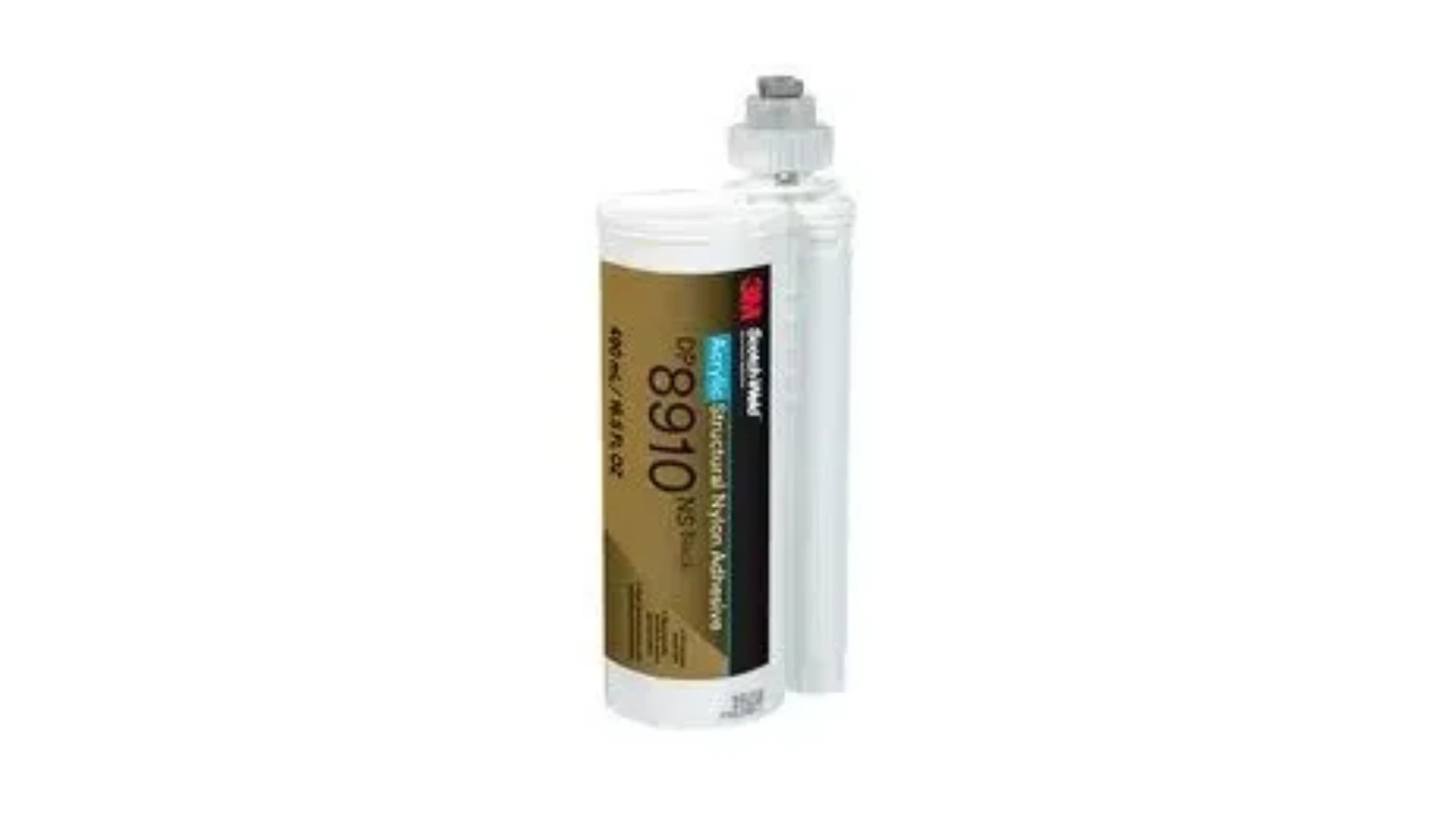
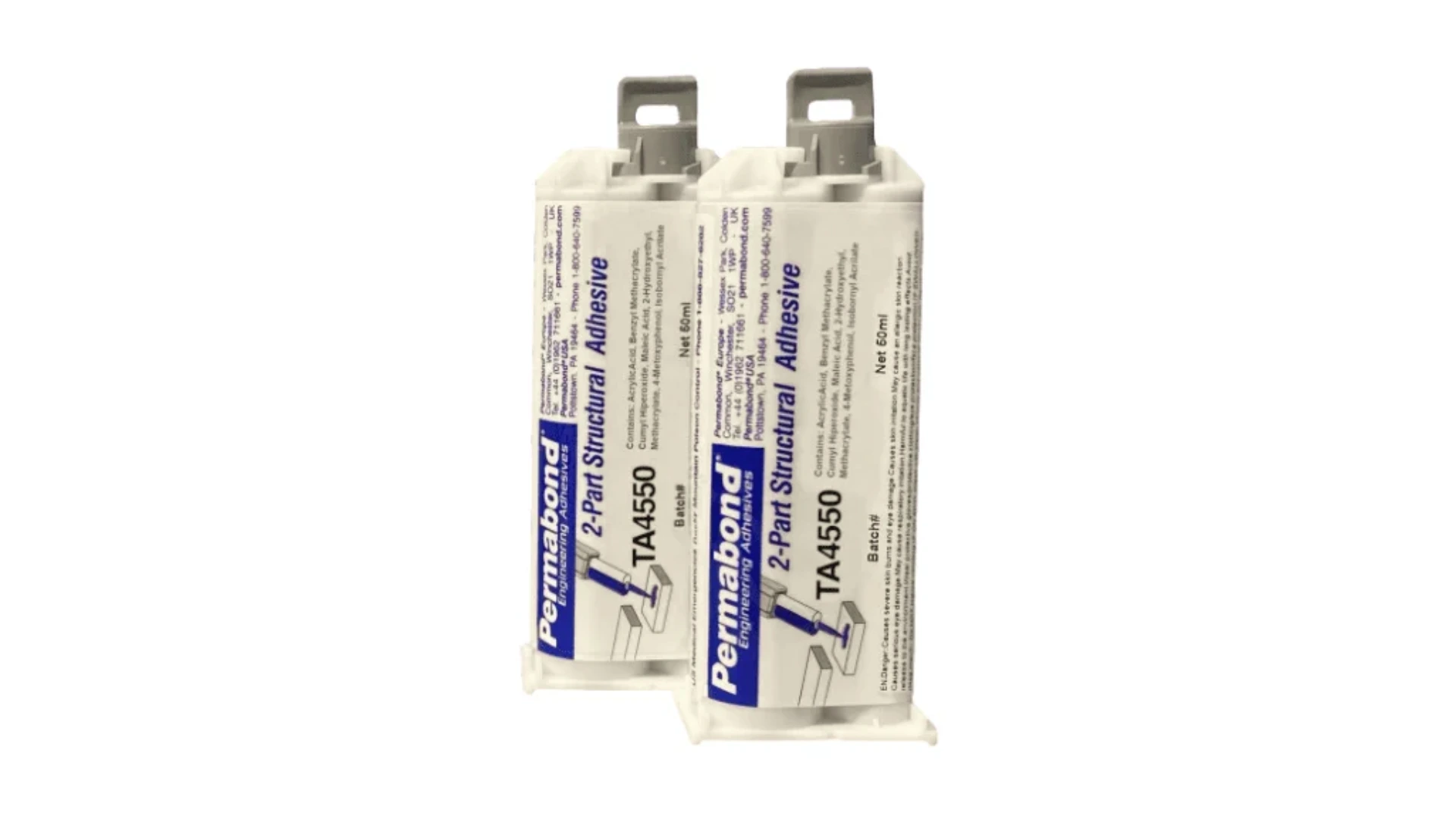
Acrylic-based structural adhesives, particularly methyl methacrylate adhesives (MMAs), are often the go-to solution for bonding nylon to a wide variety of substrates. MMAs provide strong adhesion without requiring primers, making them efficient for fast-paced assembly lines. They also cure rapidly and maintain performance under chemical exposure and moderate thermal cycling. Their strong odor and flammability, however, require appropriate ventilation and handling procedures during use.
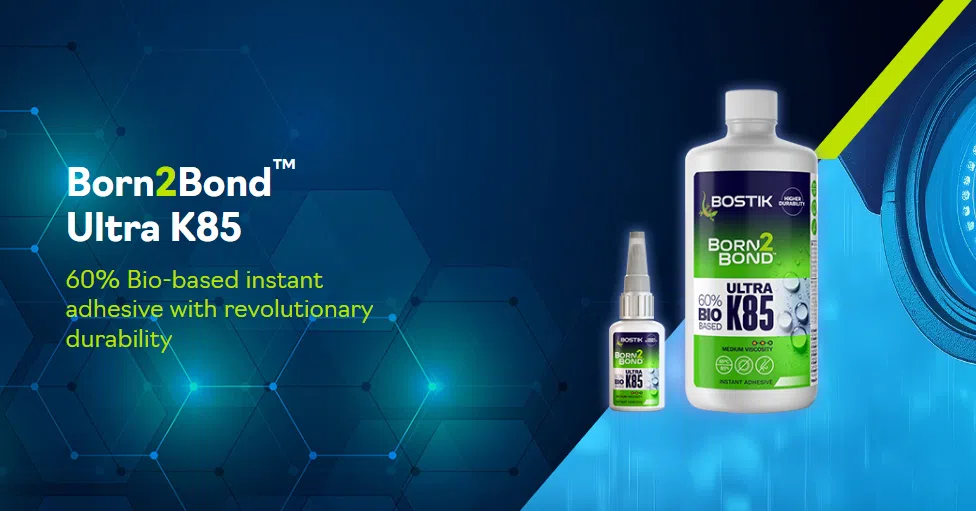
4. Cyanoacrylate Adhesives (Super Glue)
Cyanoacrylate adhesives, commonly known as super glues, are often used for quick, small-scale nylon bonding tasks. They cure within seconds and require minimal setup, making them suitable for bonding small plastic clips, cable guides, or other low-stress nylon parts. However, these adhesives tend to become brittle over time and are not recommended for applications involving significant mechanical stress, temperature fluctuations, or moisture exposure.
You may interested in: The 9 Myths about Cyanoacrylate Adhesives
Surface Treatment Enhances Nylon Bonding
In many cases, surface pretreatment is necessary to maximize adhesion to nylon:
- Plasma treatment: Increases surface energy and improves wettability
- Adhesion primers: Tailored primers help promote chemical bonding between adhesive and substrate
- Mechanical abrasion: Light sanding can help increase surface area and remove surface oxidation or contaminants
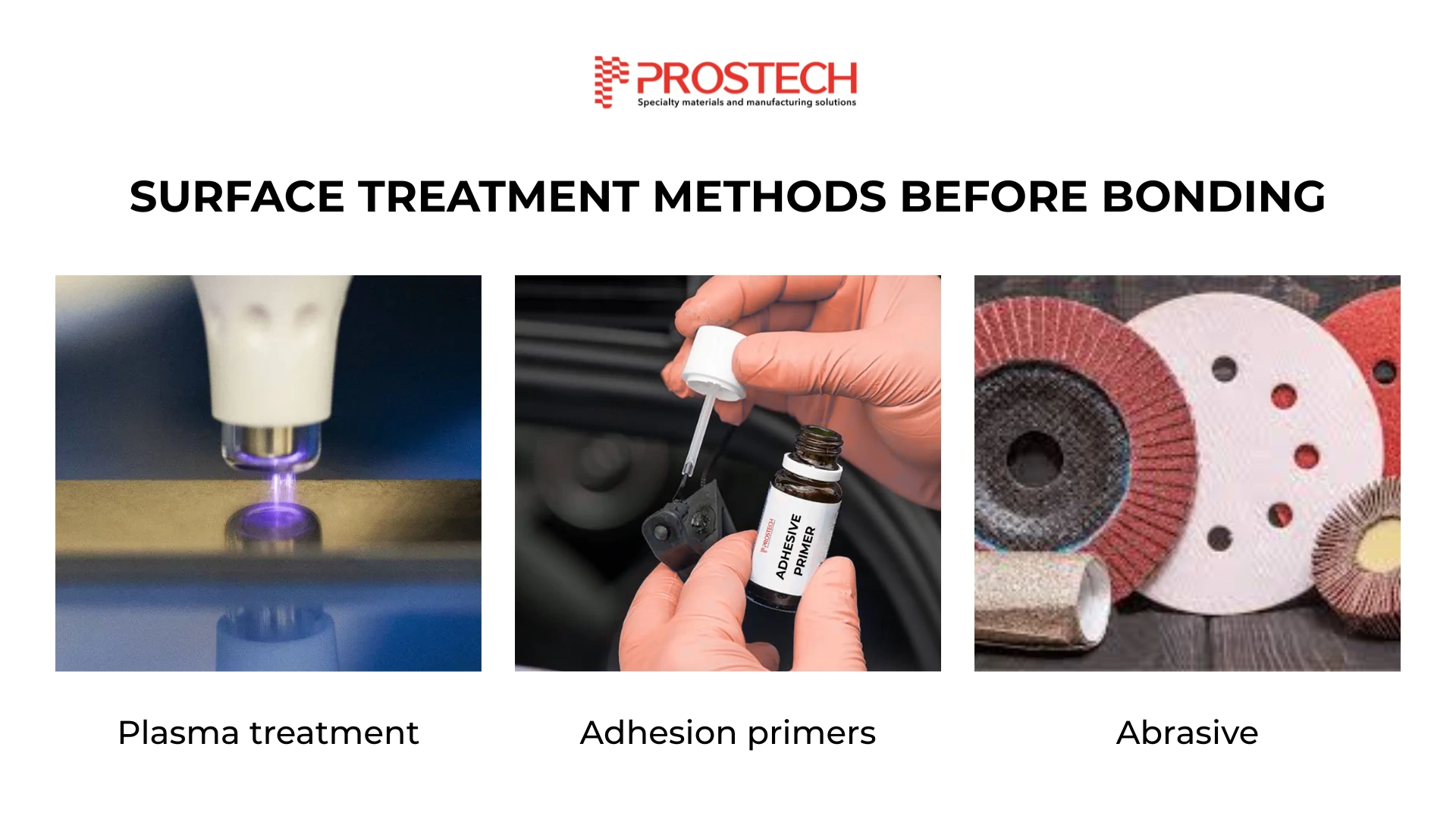
At Prostech, we provide not only adhesives, but also surface treatment equipment such as plasma systems and tailored primer solutions, giving you a complete nylon bonding system from surface to seal.
Find the Right Adhesive for Nylon Bonding
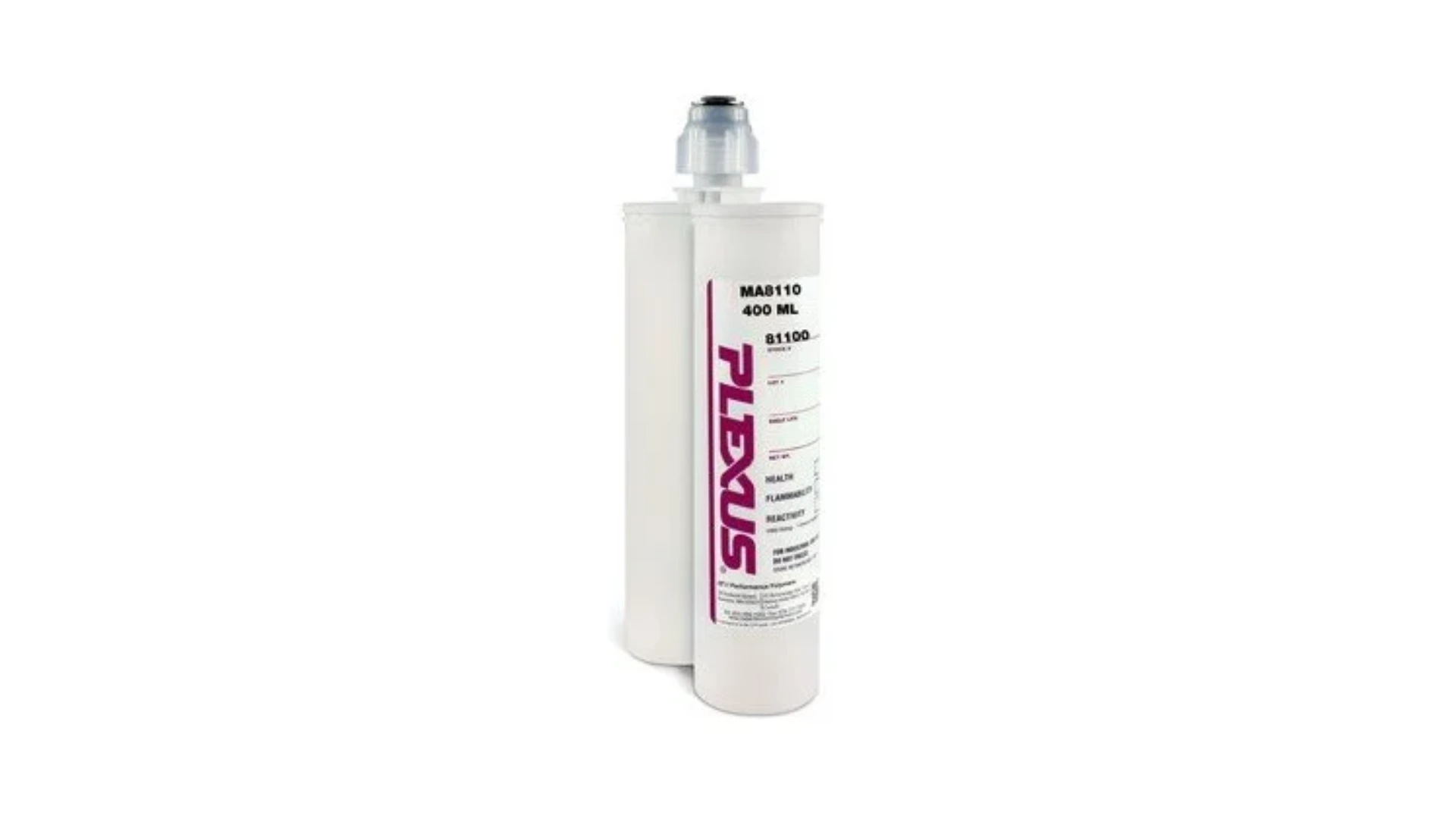
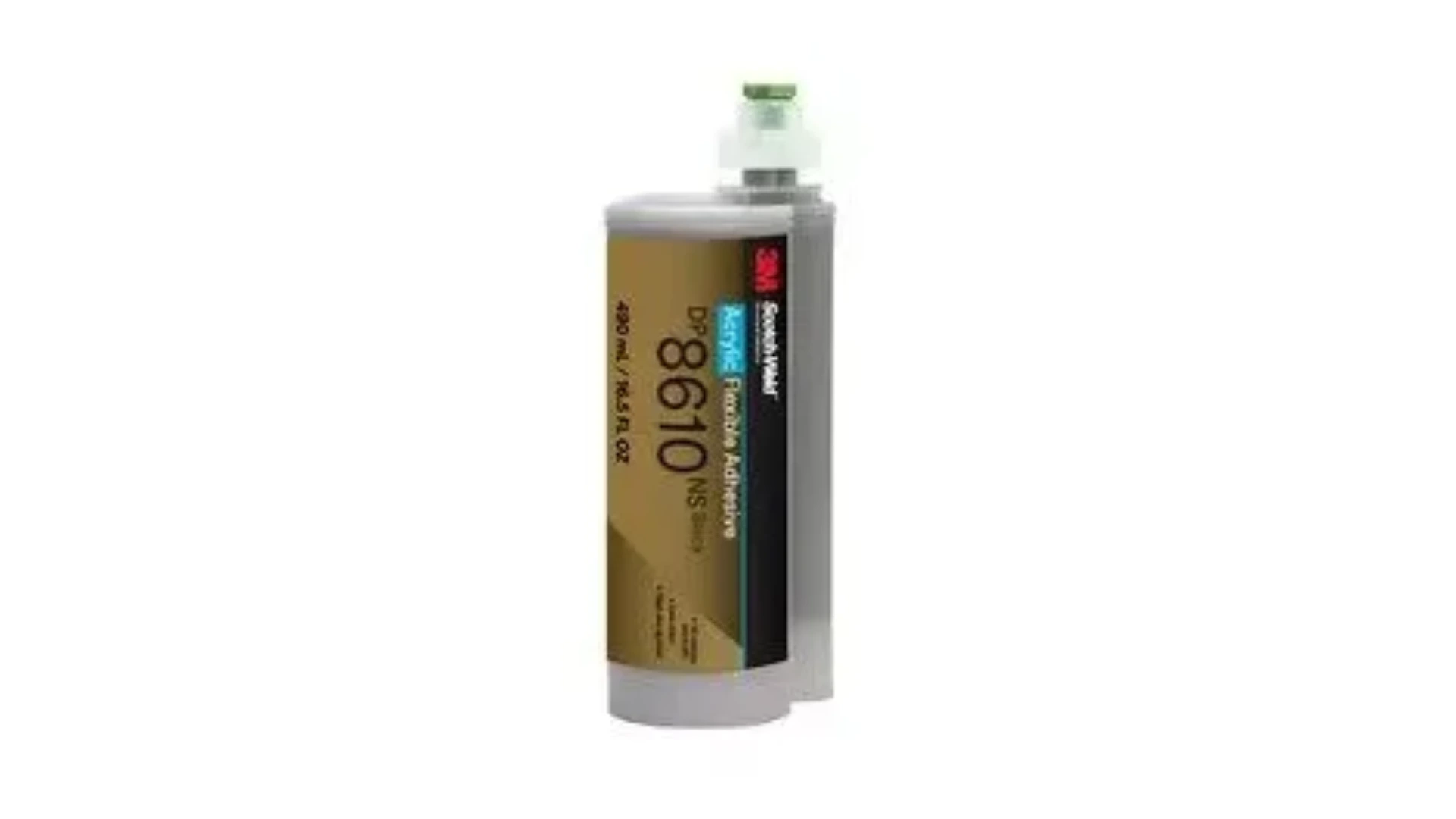
We offer a full portfolio of adhesives tailored for nylon and polyamide bonding challenges. Our application engineers help customers select, test, and validate the right bonding system—whether it’s for manual, semi-automated, or fully automated production environments. Some recommended products are:
| Products | Key features |
|
|
|
|
|
|
|
|
|
|
|
|
While these may be some of the best adhesives for nylon, they still may not be the best product for your specific needs. To ensure you are using the right adhesive for your job and budget, we want to help. Contact us today to speak with one of our adhesive experts. They will be able to help you find the right solution for you.