

- What Are Silicone Adhesives?
- Key Advantages and Properties of Silicone Adhesives
- Silicone Adhesives Applications in Industrial Manufacturing
- Challenges in Silicone Adhesive Applications and Solutions
- Applications of Silicone Adhesives Across Industries
- Market Trends – Tin-Free Silicone and Sustainability
Silicone adhesives have become a trusted solution across a wide range of industries thanks to their exceptional performance under demanding conditions. Unlike conventional adhesives, silicone-based formulations offer a unique combination of flexibility, durability, and long-term stability, making them ideal for applications where reliability is critical. Their ability to maintain strong adhesion on diverse substrates, even under extreme environmental stress, has made them a preferred choice for manufacturers in electronics, automotive, aerospace, construction, and energy sectors.
One of the standout characteristics of silicone adhesives is their wide operating temperature range, with the ability to withstand extremes from sub-zero conditions to continuous exposure to high heat. This thermal stability, combined with excellent resistance to chemicals, UV light, and weathering, ensures superior aging performance and product longevity. Additionally, their inherent elasticity allows them to absorb vibration and mechanical stress, reducing the risk of joint failure over time. For applications involving harsh environments or sensitive electronics, silicone adhesives provide not only robust adhesion but also outstanding electrical insulation properties, meeting the toughest industry challenges.
As an industrial material expert, Prostech brings decades of experience in delivering advanced adhesive solutions to meet the most demanding manufacturing requirements. In this article, Prostech will provide comprehensive knowledge about silicone adhesives, including their key properties, common challenges, application trends, and how to choose the right product for your specific needs.
What Are Silicone Adhesives?
Silicone Adhesives Definition
Silicone adhesives are a class of high-performance bonding materials primarily composed of polysiloxane polymers, known for their unique combination of organic and inorganic properties. These adhesives are widely used for sealing, bonding, coating, and encapsulation in applications that demand durability and flexibility under harsh environmental conditions. Unlike conventional adhesives, silicones retain elasticity over a broad temperature range, providing reliable performance from extreme cold to high heat.
Silicone adhesives are generally available in two main types: one-part and two-part systems.
-
One-part silicone adhesives cure through exposure to moisture in the air, making them simple to use without requiring mixing. They are ideal for applications such as sealing joints, glazing, and general-purpose bonding in construction and appliance assembly.
-
Two-part silicone adhesives consist of a base and a curing agent that must be mixed in precise ratios before application. These systems offer faster curing and improved bond strength, making them suitable for high-volume manufacturing and electronic assembly where consistent quality and speed are critical.
Silicone adhesives are often categorized as RTV (Room Temperature Vulcanizing) silicones, which means they can cure at ambient temperatures without additional heat. This feature, along with their excellent adhesion to a variety of substrates, makes them indispensable in industries such as electronics, automotive, aerospace, and renewable energy.
Read more: What Are RTV Adhesives?
Curing Mechanism of Silicone Adhesives
Silicone adhesives utilize different curing mechanisms based on their chemistry, with each type offering unique properties suited for specific applications. Condensation cure systems include acetoxy, alkoxy, modified alkoxy, and oxime types, which release by-products like acetic acid, alcohol, ammonia, or methylethylketoxime during curing. These systems generally cure at room temperature when exposed to atmospheric moisture. Acetoxy types cure quickly but emit strong odors and are corrosive to metals, while alkoxy and modified alkoxy systems are low-odor, non-corrosive, and compatible with metals, plastics, and glass. Oxime systems also offer low odor and good adhesion to metals and some plastics. In contrast, addition cure systems (platinum-catalyzed) produce no by-products, are odorless, non-corrosive, and provide very fast tack-free times, making them ideal for sensitive applications such as electronics and optical assemblies. The choice of curing system depends on factors like substrate compatibility, corrosion sensitivity, odor requirements, and desired curing speed.
Curing Mechanism of Silicone Adhesives Table
| Cure Types | Acetoxy | Alkoxy | Modified Alkoxy | Oxime | Addition (Heat) |
|---|---|---|---|---|---|
| By-Product | Acetic Acid | Alcohol | Ammonia, Alcohol | Methylethylketoxime | None |
| Non-Corrosive | No | Yes | Yes(1) | Yes(2) | Yes |
| Substrates for Good Adhesion | Glass, Metals | Metals, Plastics, Glass | Metals, Plastics, Glass | Metals, Glass, Some Plastics | Metals, Glass, Some Plastics |
| Odor | Yes | Low | Low | Low | None |
| Tack Free Time | Fast | Fast / Moderate | Moderate | Moderate | Very Fast |
At Prostech, we provide a wide range of silicone products from global industrial material leaders, including Momentive, ELANTAS, 3M, H.B. Fuller, and more. Whether your needs involve high-temperature bonding, electronic encapsulation, or structural sealing, our experts are here to help. Contact us today for a comprehensive silicone adhesive consultation and discover the ideal solution for your application.
Key Advantages and Properties of Silicone Adhesives
Silicone adhesives are widely recognized for their exceptional performance characteristics, making them an indispensable choice for industries requiring reliable bonding solutions under extreme conditions. Their unique combination of flexibility, thermal stability, chemical resistance, and electrical insulation properties sets them apart from conventional adhesive systems.
1. Outstanding Temperature Resistance
Silicone adhesives can maintain their physical integrity and adhesion over a broad temperature range, typically from -55°C to over 200°C, and some formulations can withstand even higher limits. This capability ensures consistent performance in applications exposed to extreme heat or cold, such as automotive engines, aerospace components, and high-power electronics.
2. Excellent Chemical and Weather Resistance
These adhesives demonstrate superior resistance to chemicals, oils, solvents, UV radiation, ozone, and moisture, making them ideal for harsh environmental conditions. This property significantly enhances durability and reduces maintenance in outdoor applications like solar panels, wind turbines, and construction glazing.
3. Flexibility and Stress Absorption
Silicone adhesives retain elasticity even after curing, allowing them to absorb vibration, impact, and thermal expansion without cracking or losing adhesion. This feature is particularly beneficial for electronics encapsulation, where components experience thermal cycling and mechanical stress.
4. Superior Electrical Insulation
With high dielectric strength and volume resistivity, silicone adhesives provide excellent electrical insulation, making them a preferred choice for potting, coating, and sealing in electronic assemblies. Certain grades also offer UL certifications for flame retardancy and compliance with stringent safety standards.
5. Aging and UV Stability
Unlike many organic adhesives, silicones resist degradation from long-term UV exposure and oxidation. Their aging stability ensures long service life, even in outdoor and high-temperature environments.
6. Moisture Resistance and Waterproofing
Silicone adhesives maintain their adhesion in humid and wet environments, making them suitable for marine, construction, and outdoor electrical applications.
These combined properties enable silicone adhesives to deliver consistent reliability across diverse industries, from electronics and automotive to aerospace and renewable energy sectors. Whether used for sealing, bonding, or protecting sensitive components, silicone adhesives provide the assurance of durability and high performance in the most demanding environments.
At Prostech, we leverage these advantages to deliver tailored silicone adhesive solutions for your applications. With a comprehensive portfolio from leading global brands like Momentive, ELANTAS, 3M, and H.B. Fuller, Prostech ensures you get the right adhesive for your specific needs—whether it’s high-temperature sealing, electronic encapsulation, or structural bonding. Contact our experts today for consultation and find the ideal silicone solution for your industry.
Silicone Adhesives Applications in Industrial Manufacturing
Silicone adhesives have become essential in industrial manufacturing due to their versatility, reliability, and ability to withstand harsh operational environments. They perform multiple critical roles across various production processes, ensuring both product integrity and performance under demanding conditions.
1. Bonding
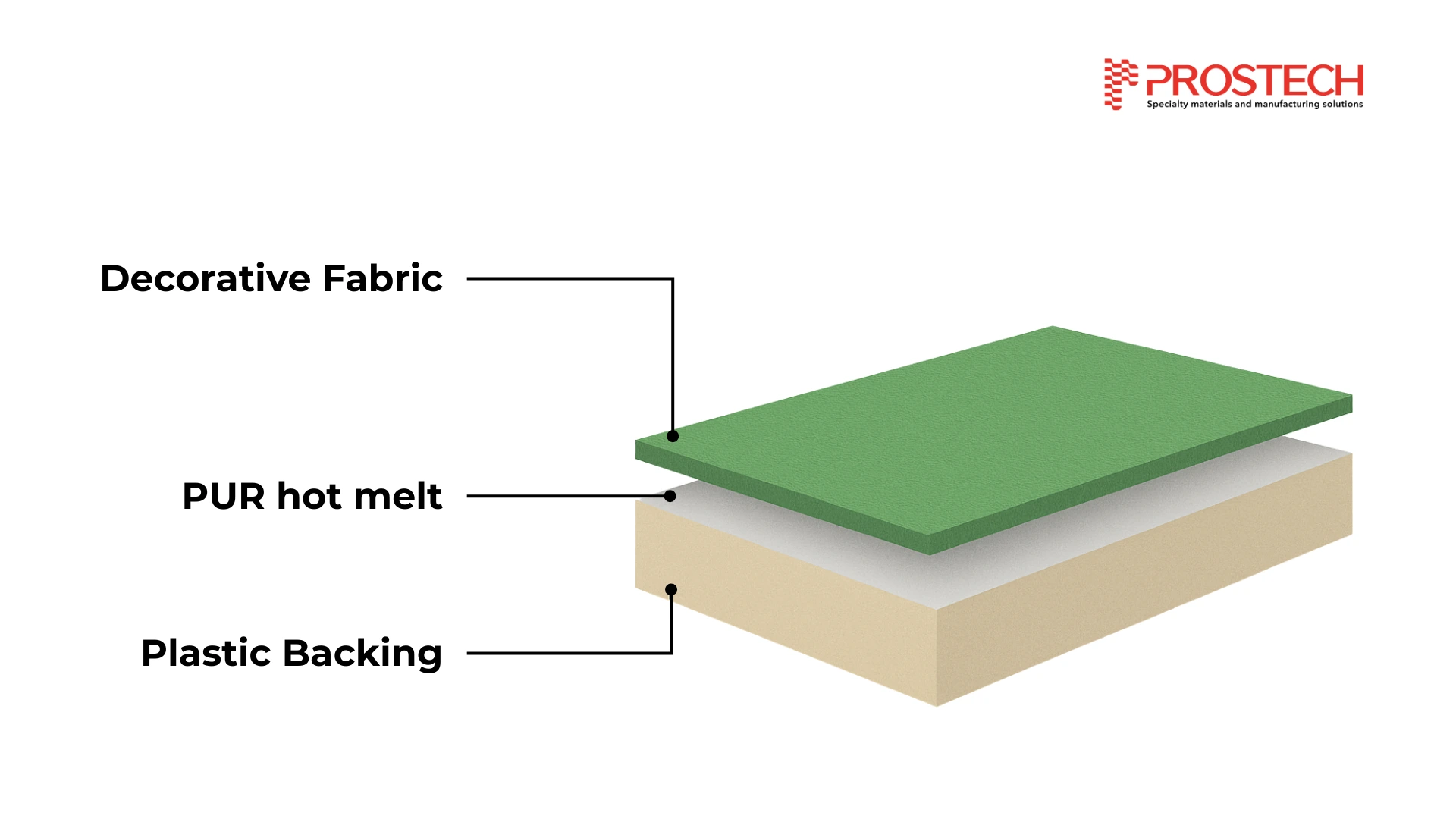
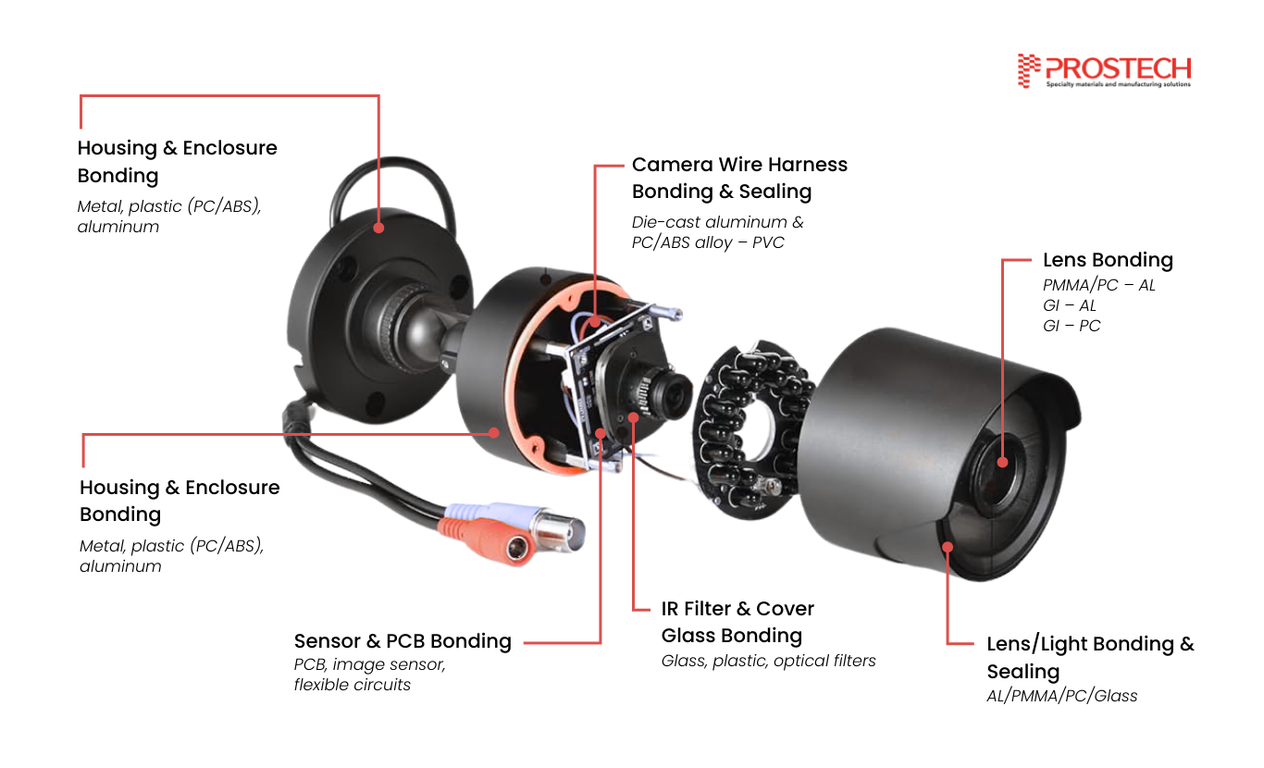
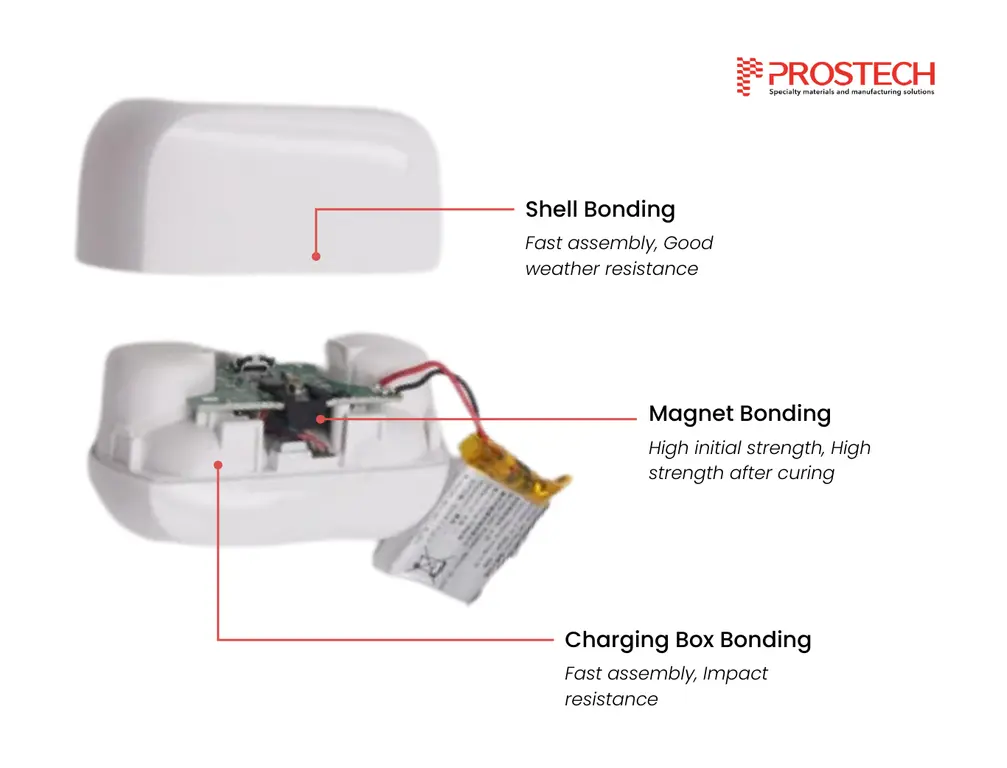
Silicone adhesives deliver strong yet flexible bonds for a wide range of substrates, including metals, plastics, glass, and ceramics. Their elasticity allows them to absorb vibration and thermal expansion without compromising adhesion.
-
Typical Uses: Bonding sensors, housings, connectors, and display modules in electronics and automotive assemblies .
-
Key Benefits: Maintains adhesion in thermal cycling , mechanical stress , and chemical exposure .
Suggested Products:
Momentive RTV157
3M™ 560 Polyurethane Adhesive Sealant
ELANTAS SG 560
2. Environmental Sealing and Gasketing
Silicone adhesives excel in sealing and gasketing applications , delivering unmatched durability and protection in demanding environments. Their superior resistance to moisture, chemicals, UV radiation, and temperature extremes make them ideal for industries that require reliable environmental sealing.
Applications:
-
Automotive: Engine gaskets, oil pans, and flange sealing to withstand high heat, vibration, and exposure to oils.
-
Energy: Edge sealing for solar panels and joint sealing in wind turbines to resist weathering and UV degradation.
-
Construction: Weatherproof sealing for glazing, curtain walls, and insulated glass units to ensure structural integrity.
-
Industrial & Aerospace: In-place formed gaskets for pumps, compressors, and aerospace components exposed to pressure and harsh chemicals..
Key Advantages:
-
Maintains elasticity and under adhesion thermal cycling and mechanical stress.
-
Provides long-lasting waterproofing and chemical resistance.
-
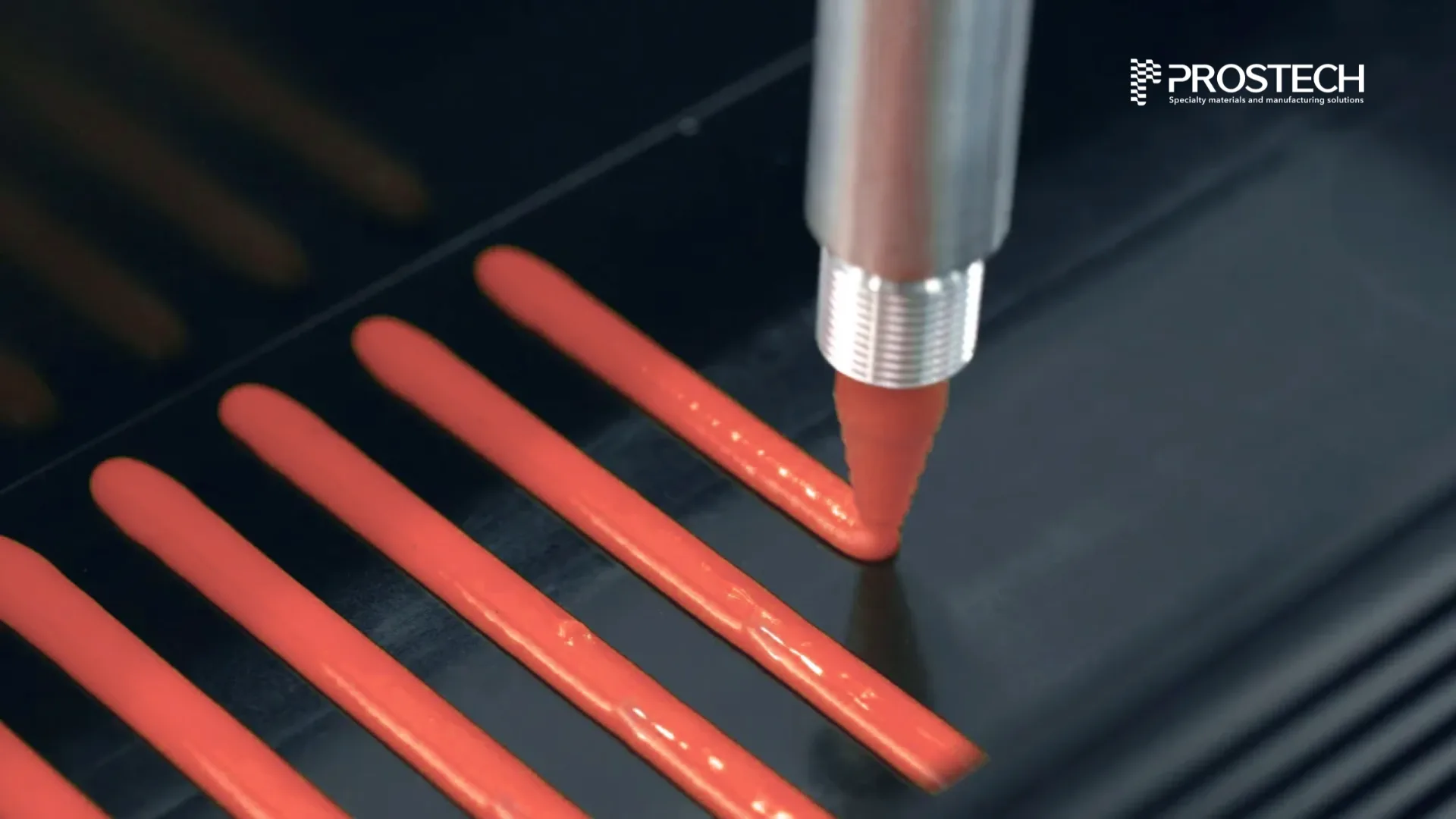
Easily forms custom in-place gaskets for complex geometries without additional tooling.
Silicone’s ability to retain performance in extreme temperatures (-55°C to +200°C) and under vibration ensures sealing reliability over the product’s lifetime. This makes silicone-based sealing and gasketing the first choice for critical applications in automotive, energy, aerospace, and industrial sectors .
Suggested Products:
-
Momentive RTV108 – Acetoxy cure sealant for industrial sealing applications
-
3M™ Marine Adhesive Sealant 5200 – Designed for marine and harsh environments
-
H.B. Fuller Silaprene® RTV Series – General-purpose sealing for construction and automotive
3. Potting and Encapsulation
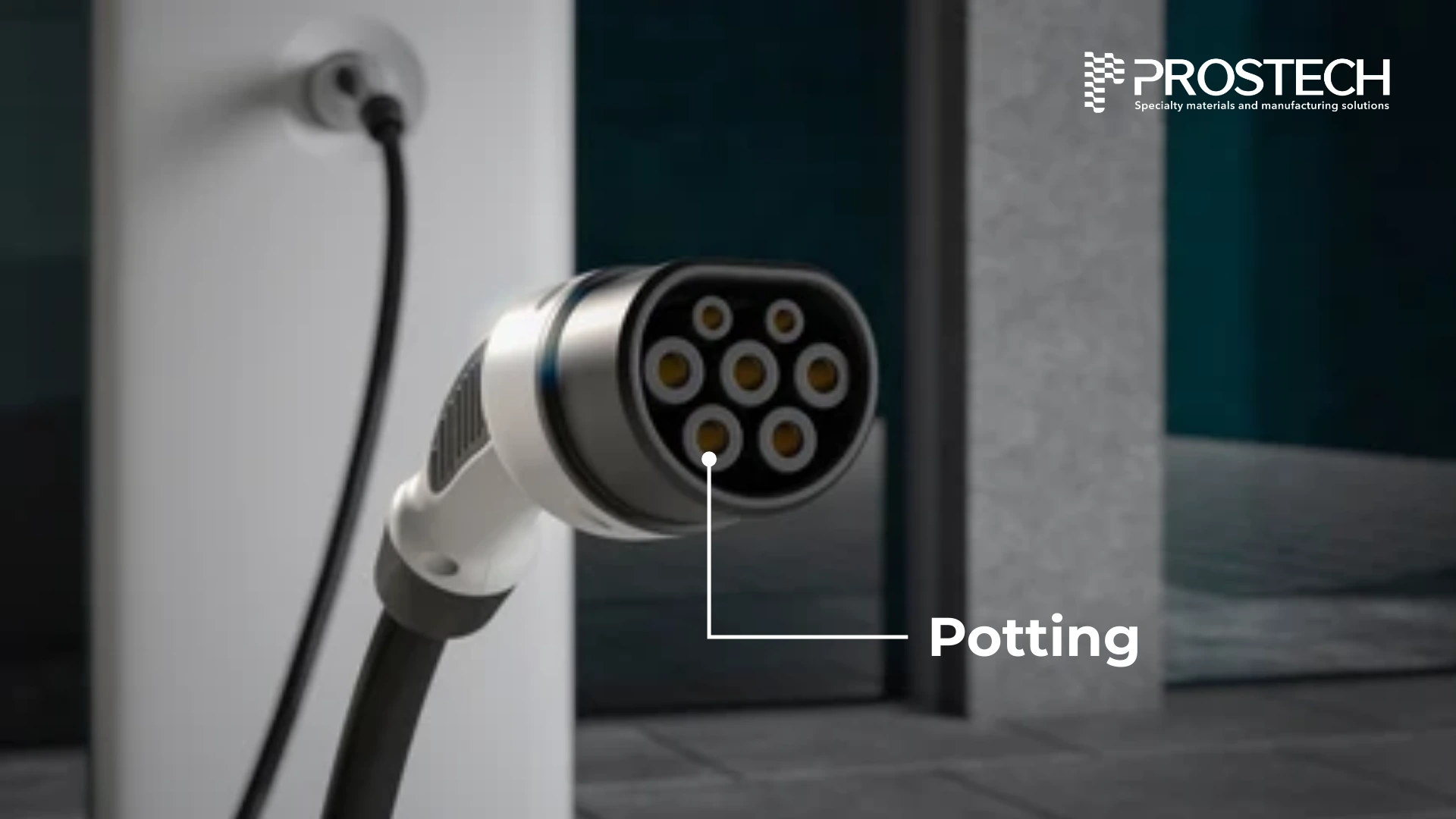
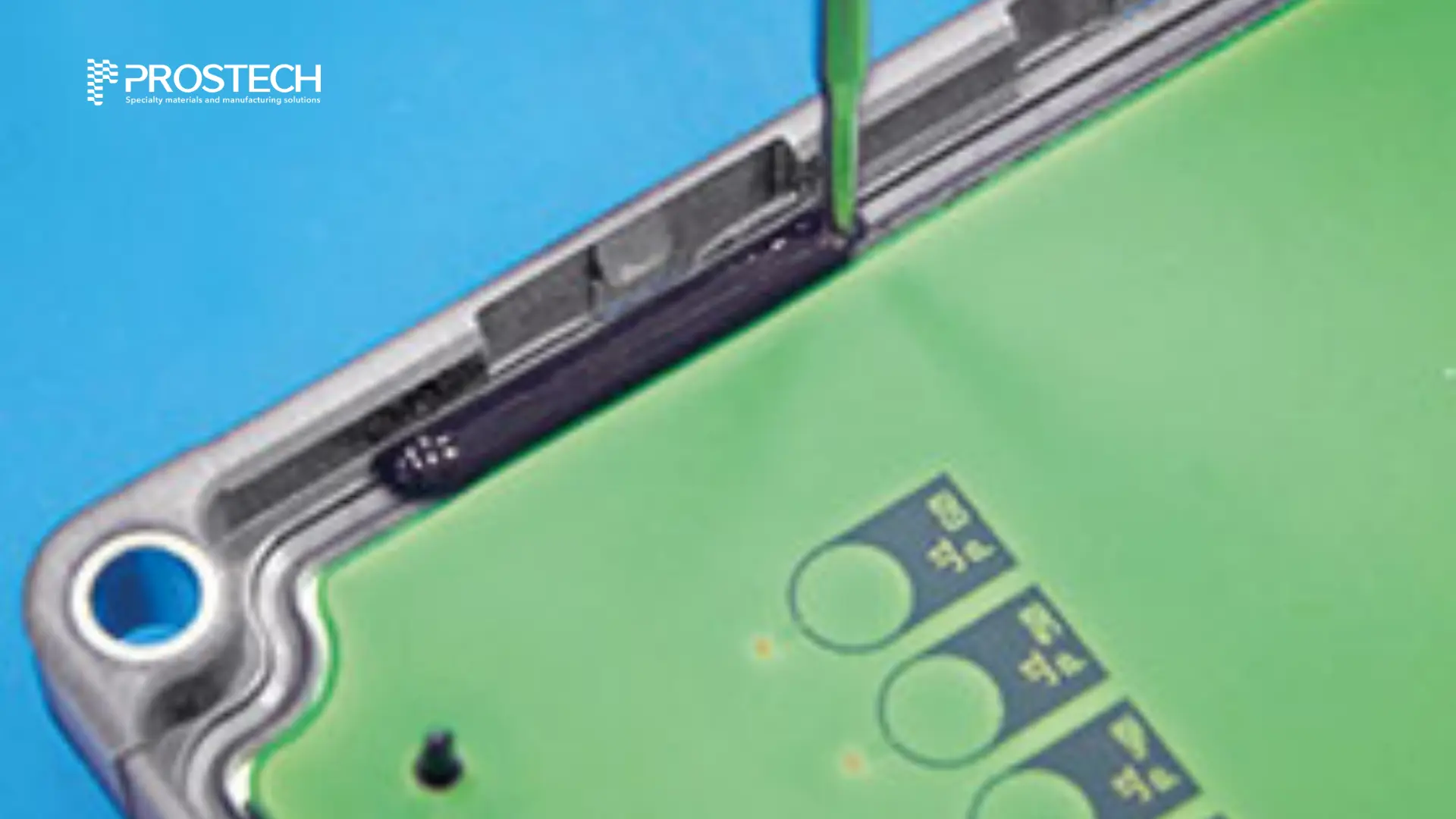
Potting with silicone adhesives ensures complete protection of electronic assemblies by creating a barrier against moisture, contaminants, and mechanical shock.
-
Applications: Printed circuit boards (PCBs), power modules, sensors.
-
Features:
-
Excellent dielectric properties for electrical insulation.
-
Low modulus for stress relief on delicate components.
-
Thermal stability for high-power electronic devices .
-
Suggested Products:
-
Momentive TSE3330 – Two-part addition-cure silicone for potting sensitive electronics
-
ELANTAS SG 664 – Silicone potting compound for high-voltage insulation
-
H.B. Fuller Sil-Bond 4500 – Neutral cure silicone sealant and encapsulant
4. Conformal Coating
Silicone-based conformal coatings protect sensitive circuitry from humidity, corrosive gases, and thermal extremes while maintaining flexibility.
-
Benefits:
-
High dielectric strength for reliable insulation.
-
Retains performance in -55°C to +200°C environments .
-
-
Use Cases: Automotive ECUs, aerospace avionics, telecommunications equipmen.
Suggested Products:
Momentive ECC3011 – Silicone conformal coating for electronics protection
5. Thermal Interface Applications
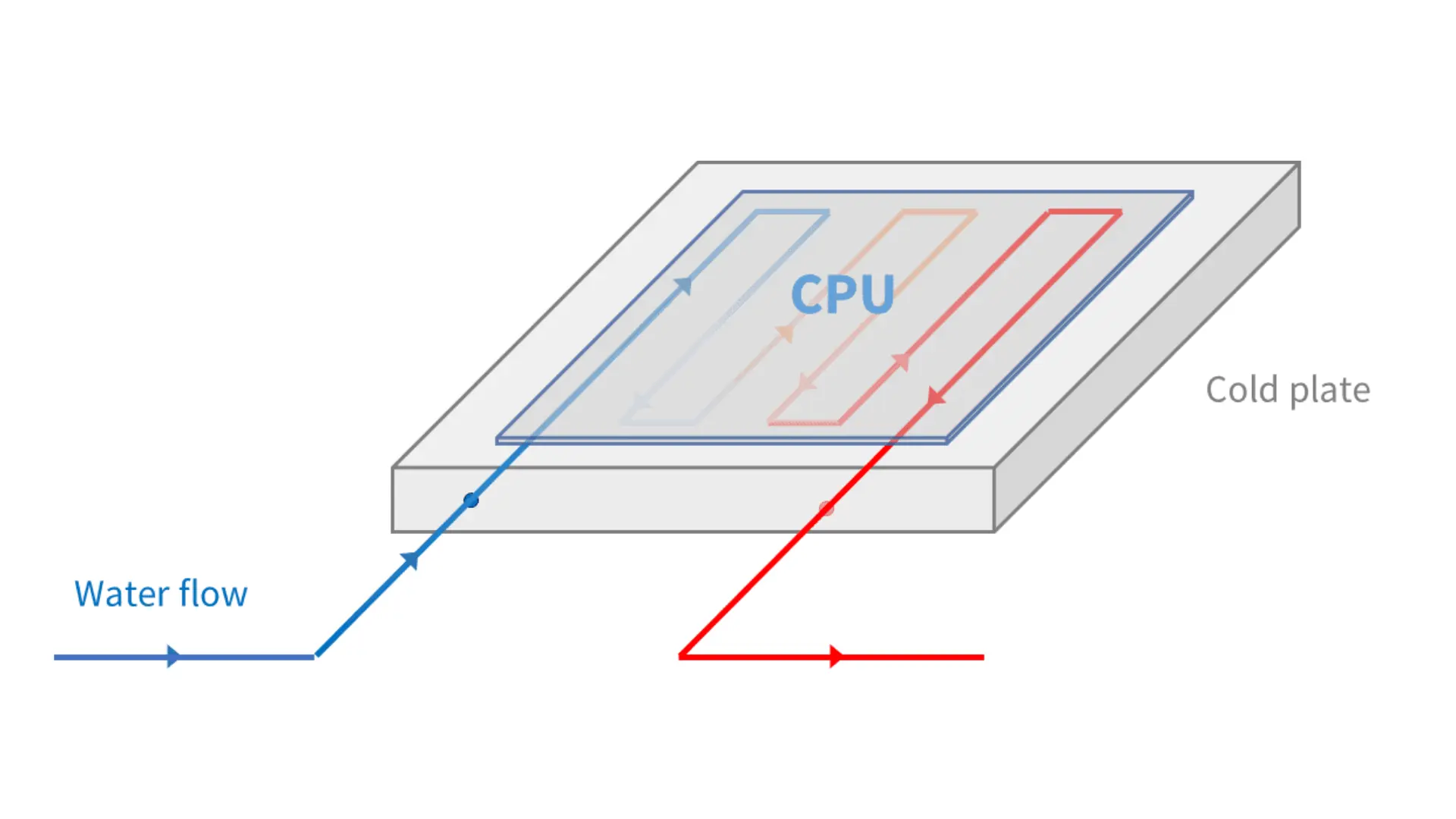
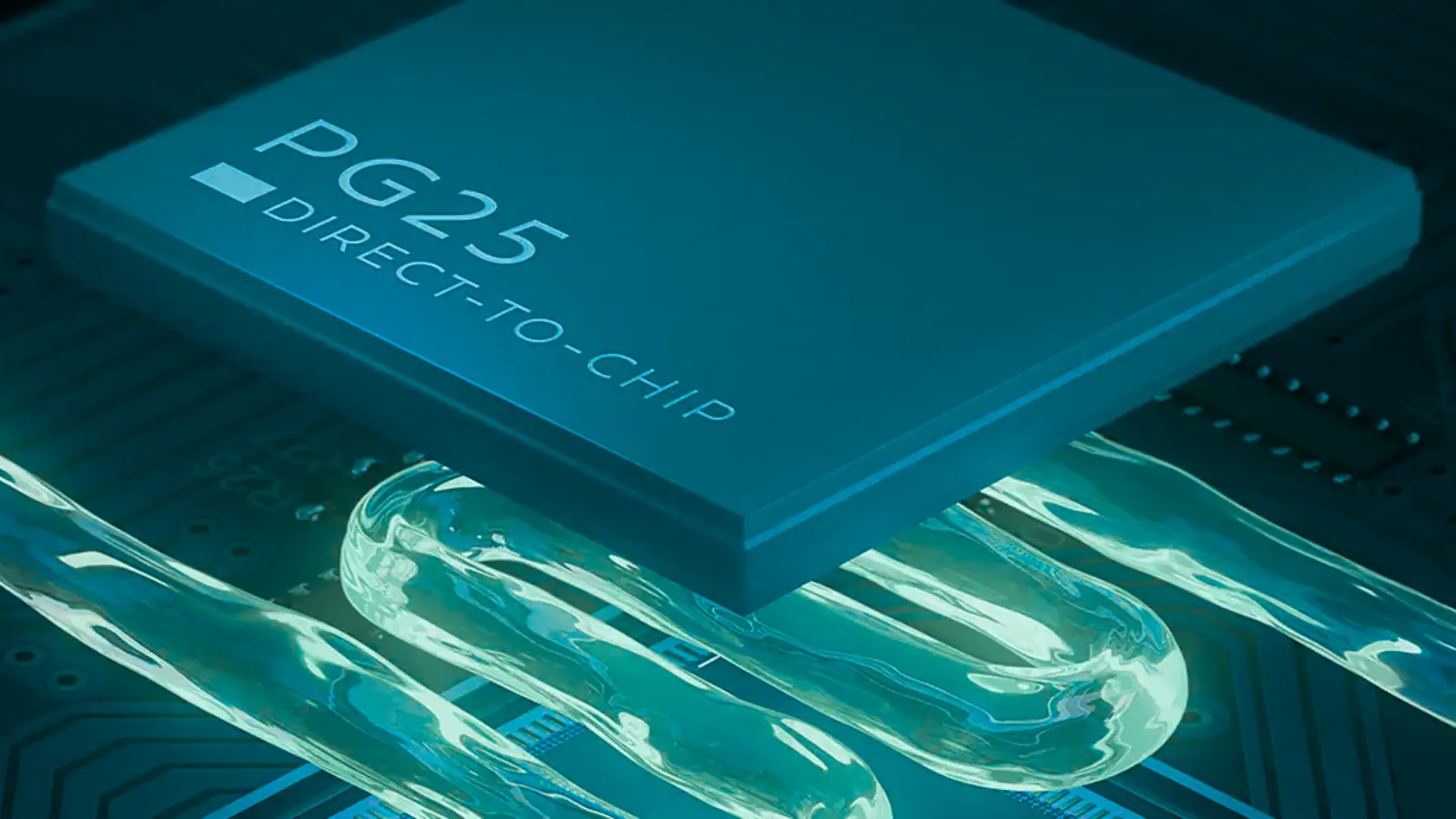
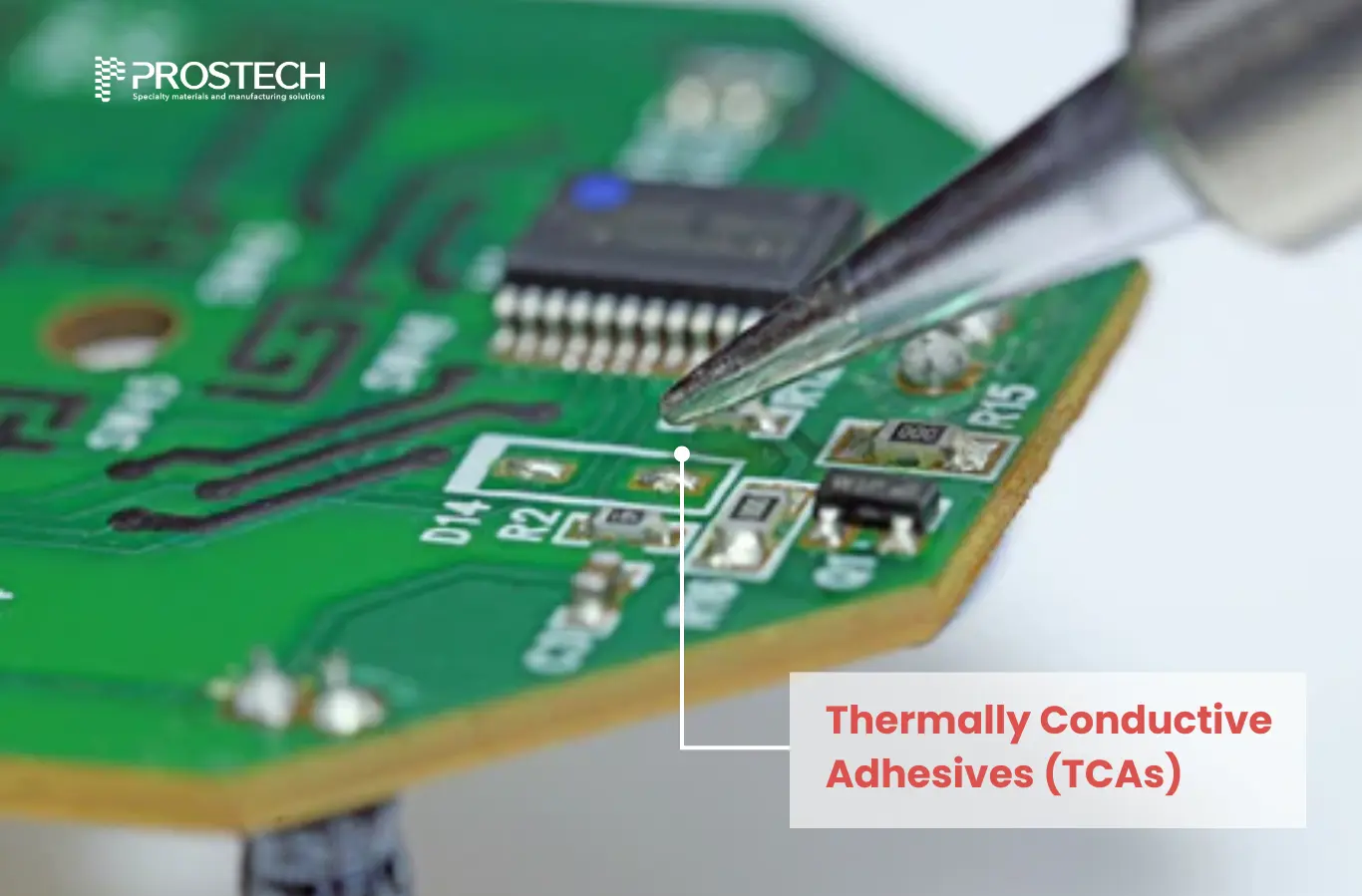
Specialized silicone adhesives are engineered for thermal conductivity , ensuring efficient heat transfer between components and heat sinks.
-
Typical Applications:
-
Power electronics and LED modules.
-
Automotive battery packs and inverters.
-
-
Advantages: Combines thermal performance with adhesive strength , reducing the need for additional fastener.
Suggested Products:
Challenges in Silicone Adhesive Applications and Solutions
With many years of experience providing silicone solutions for multiple industries, Prostech understands the practical challenges customers face when working with silicone adhesives. While these materials offer superior performance, certain application issues can arise if the correct process, formulation, or equipment is not selected. Below are the most common challenges and our expert solutions:
1. Long Cure Time
- Challenge: Traditional silicone adhesives often require extended curing periods, which can slow down production and reduce throughput.
- Prostech Solution: We supply fast-cure one-part and two-part silicone systems, including heat-accelerated addition cure products, to significantly reduce curing time without compromising quality.
2. Mixing Complexity for Two-Part Systems
- Challenge: Two-part silicones require accurate mixing of base and curing agent. Incorrect ratios lead to incomplete curing, weak bonds, and potential rework.
- Prostech Solution: Our automated mixing and dispensing systems ensure precise ratio control, eliminating errors and improving productivity in high-volume manufacturing environments.
3. Short Pot Life
- Challenge: Once mixed, two-part silicones have a limited working time, which can lead to material waste and process inefficiency.
- Prostech Solution: We provide customizable pot-life silicone adhesives and on-demand mixing technology, enabling controlled dispensing for better efficiency and reduced waste.
4. Poor Adhesion to Low Surface Energy Substrates
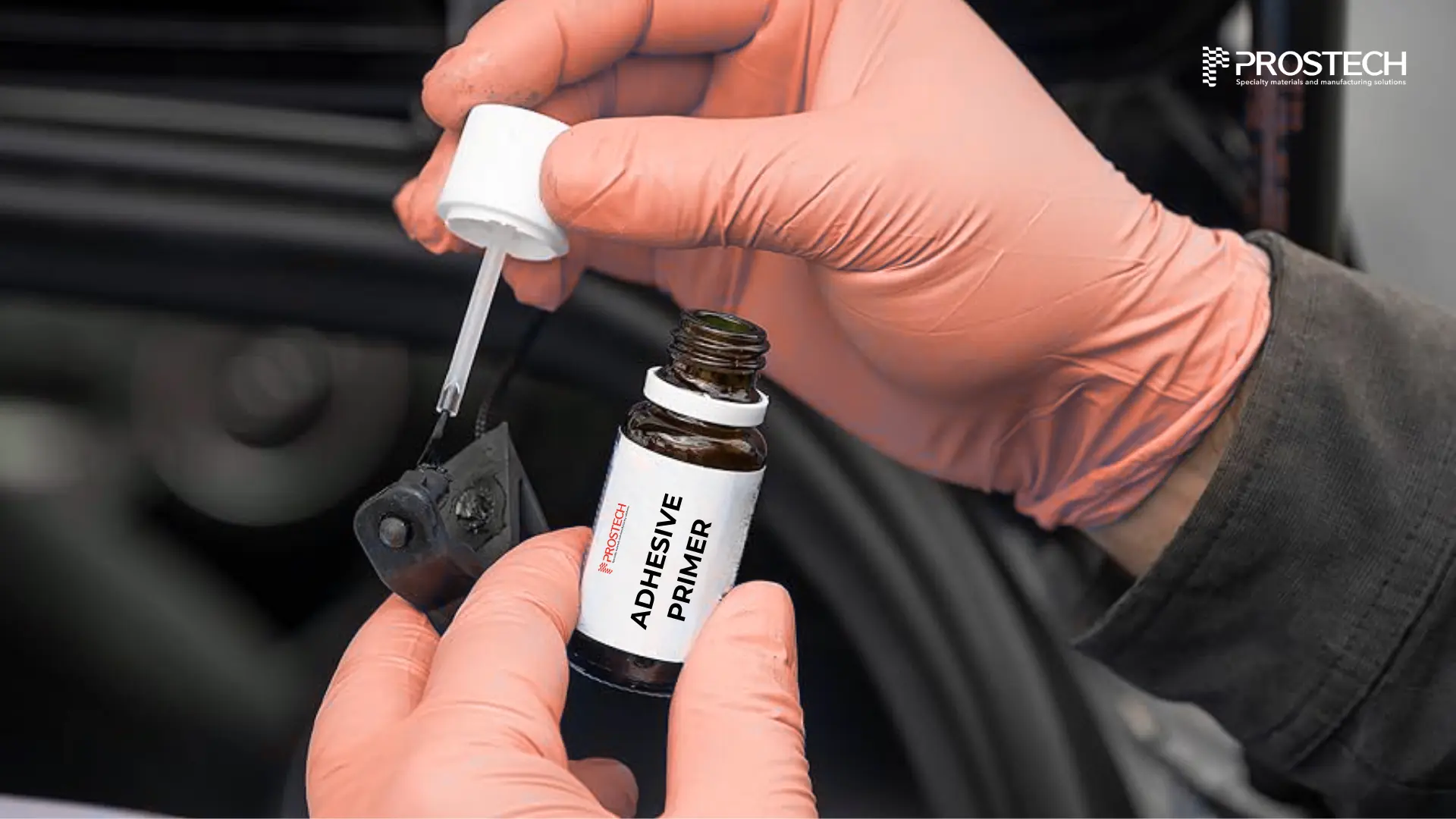
- Challenge: Silicone adhesives may not naturally adhere well to certain plastics or coated surfaces without proper preparation.
- Prostech Solution: Our experts recommend specialized primers and surface treatment processes, ensuring strong and lasting bonds even on difficult substrates.
5. Equipment Compatibility and Process Integration
- Challenge: Transitioning to silicone adhesives can require specialized application equipment, leading to concerns about cost and process changes.
- Prostech Solution: We offer complete integration services, including material selection, dispensing equipment, and process optimization for seamless adoption.
At Prostech, we provide a full solution for silicone adhesive applications—from advanced materials to precision dispensing systems. Our goal is to help you overcome challenges and achieve reliable, high-performance bonding in your production environment. Contact Prostech today for expert consultation and discover the best silicone solution for your needs.
Applications of Silicone Adhesives Across Industries
Silicone adhesives have a unique ability to perform under extreme environmental, thermal, and mechanical conditions, making them indispensable in multiple industries. Their versatility allows them to serve as sealants, bonding agents, potting and encapsulating materials, and protective coatings for sensitive components.
1. Electronics & Electrical Industry
Silicone adhesives are widely used in electronics for bonding, coating, and encapsulation of sensitive components. They offer excellent dielectric strength, moisture resistance, and thermal stability, ensuring reliable performance in critical applications like:
-
Potting and encapsulation of printed circuit boards, power modules, and semiconductors.
-
Conformal coatings for moisture and corrosion protection.
-
Thermal interface bonding for heat dissipation in CPUs, LED modules, and power devices.
-
Wire sealing and insulation for high-voltage equipment.
2. Automotive Industry
Automotive systems face high heat, vibration, and exposure to oils and chemicals, making silicone adhesives the ideal solution. Key uses include:
-
Engine gasketing and sealing to withstand extreme temperatures.
-
Bonding sensors, connectors, and control units in EV and hybrid vehicles.
-
Thermal management in battery modules, on-board chargers, and DC-DC converters.
-
Display bonding for navigation screens and in-car entertainment systems.
3. Aerospace and Aviation
In aerospace, silicone adhesives provide long-term durability under stress, pressure fluctuations, and high-temperature environments. Typical applications include:
-
Electronic module sealing and encapsulation for avionics.
-
Weather-resistant sealing of windows and doors.
-
Gasket formation in high-altitude conditions.
4. Energy and Renewable Power
The demand for reliable materials in energy systems makes silicone adhesives essential for:
-
Solar panel sealing and junction box potting, ensuring resistance to UV and moisture.
-
Wind turbine component sealing for long-term weather durability.
-
High-voltage electrical insulation in transformers and power distribution systems.
5. Consumer Electronics & Communication
Silicone adhesives support device miniaturization and protection for mobile and IoT products:
-
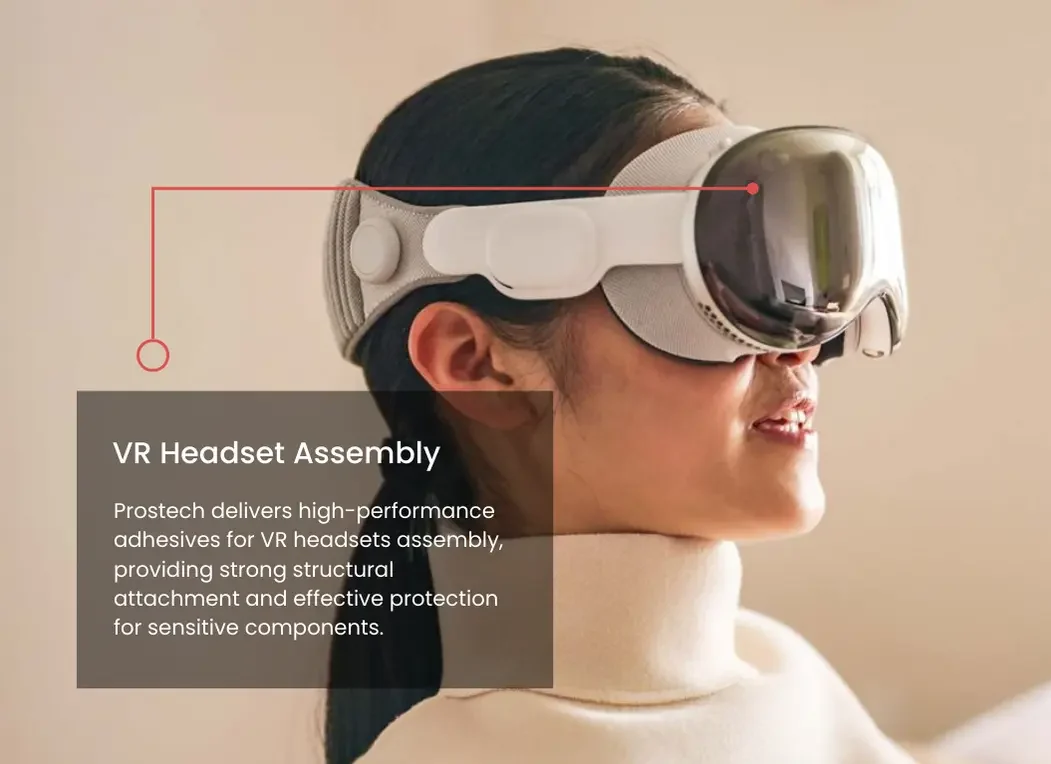
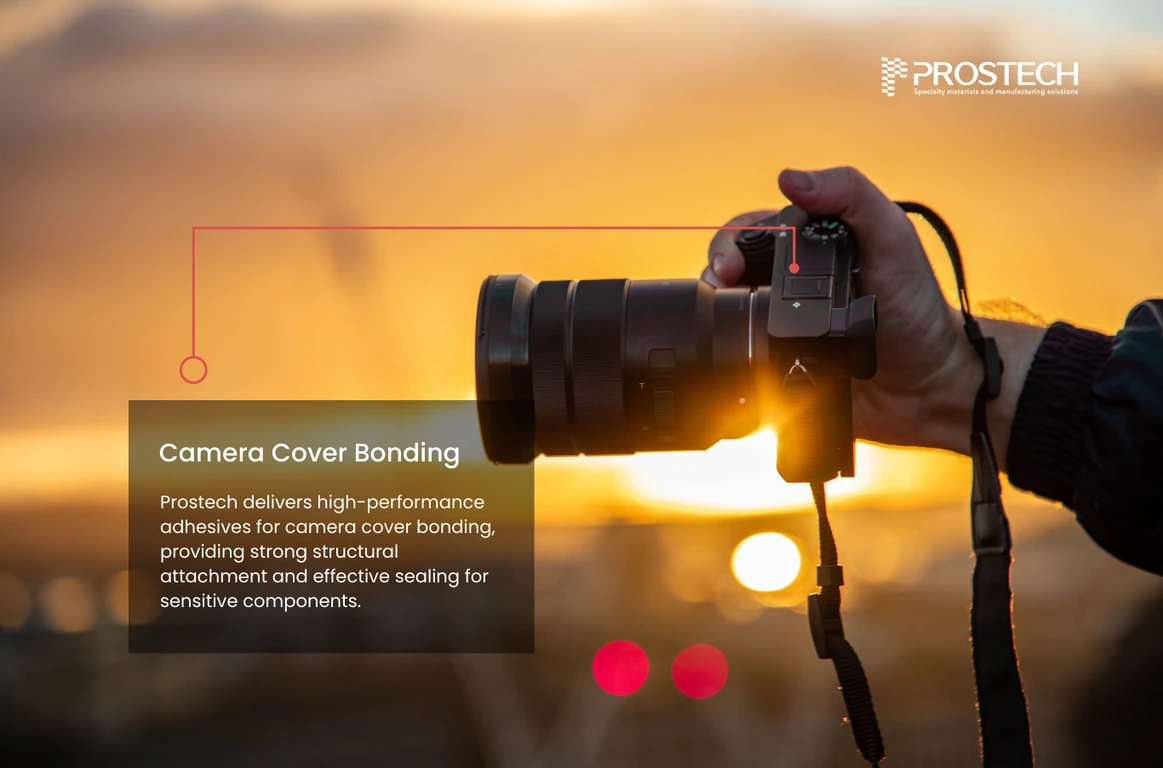
Sealing and bonding in smartphones, tablets, and wearables.
-
Protection against moisture, dust, and heat in base stations and servers.
-
LED and display bonding for improved durability and clarity.
6. Industrial and Marine
In industrial environments and marine applications, silicone adhesives provide chemical resistance, flexibility, and durability:
-
Sealing ventilation ducts and pipes in harsh environments.
-
Weatherproof bonding for structural elements exposed to saltwater and chemicals.
At Prostech, we understand that every industry faces unique challenges—from the thermal demands of electronics and automotive to the extreme environmental exposure in aerospace, energy, and marine applications. With years of experience and partnerships with global industrial leaders, Prostech delivers end-to-end silicone adhesive solutions tailored to your needs.
Market Trends – Tin-Free Silicone and Sustainability
The silicone adhesive market is rapidly evolving, driven by regulatory changes, environmental awareness, and increasing demand for safer materials. One of the most significant trends is the shift toward tin-free silicone systems, replacing traditional tin-catalyzed condensation cure products with more sustainable alternatives.
Why Tin-Free Silicone?
Historically, many one-part and two-part condensation cure silicones used organotin compounds as catalysts. While effective, these catalysts have raised concerns due to their toxicity, environmental persistence, and regulatory restrictions under directives such as REACH (EU) and EPA (US). Manufacturers are phasing out tin-based systems to comply with environmental standards and meet sustainability goals.
Advantages of Tin-Free Silicone
-
Environmentally Friendly: Eliminates harmful organotin residues, making products safer for workers and end-users.
-
Regulatory Compliance: Meets stringent global requirements for green manufacturing and consumer safety.
-
Enhanced Performance: Many tin-free formulations offer lower odor, non-corrosive curing, and improved adhesion to metals and plastics.
-
Compatibility: Ideal for sensitive electronics and optical components where residue-free curing is essential.
Emergence of Modified Silicone (MS) Adhesives
Another growing trend is moisture-curing modified silicone adhesives that combine silicone flexibility with organic polymer durability. These products are tin-free, low-VOC, and exhibit strong adhesion on a variety of substrates without primers, making them attractive for construction, automotive, and electronics applications.
The Role of Platinum-Catalyzed Systems
Addition-cure silicones, which use platinum catalysts, are gaining popularity as a clean alternative to condensation-cure systems. These adhesives produce no by-products, offer fast curing, and maintain excellent electrical and thermal stability, supporting high-performance sectors such as aerospace, medical devices, and EV batteries.
Prostech supports sustainability in industrial manufacturing by supplying tin-free, low-VOC silicone adhesives from global leaders. Whether you need platinum-cured RTVs for electronics or modified silicone sealants for construction, Prostech delivers solutions that align with both performance and environmental standards.
Contact us today to learn more about sustainable silicone adhesive solutions for your applications.